Thinking about a move to Kirkland and picturing coffee by the water, a quick jog on a leafy trail, and an easy hop to work on the Eastside? You are not alone. Many buyers consider Kirkland for its lakefront lifestyle, compact downtown, and access to major job centers. In this guide, you will get a clear view of everyday life, neighborhoods and housing trade-offs, commute realities, and the practical details that help you decide if Kirkland fits your next chapter. Let’s dive in.
Kirkland at a glance
Kirkland sits on the eastern shore of Lake Washington, within King County and the Seattle–Bellevue–Everett metro area. You are between Bellevue and Redmond, with SR 520 connecting you west to Seattle and I‑405 running north and south across the Eastside. The city blends a walkable waterfront core with quieter residential districts nearby. For city services, parks, planning updates, and community info, start with the official City of Kirkland site.
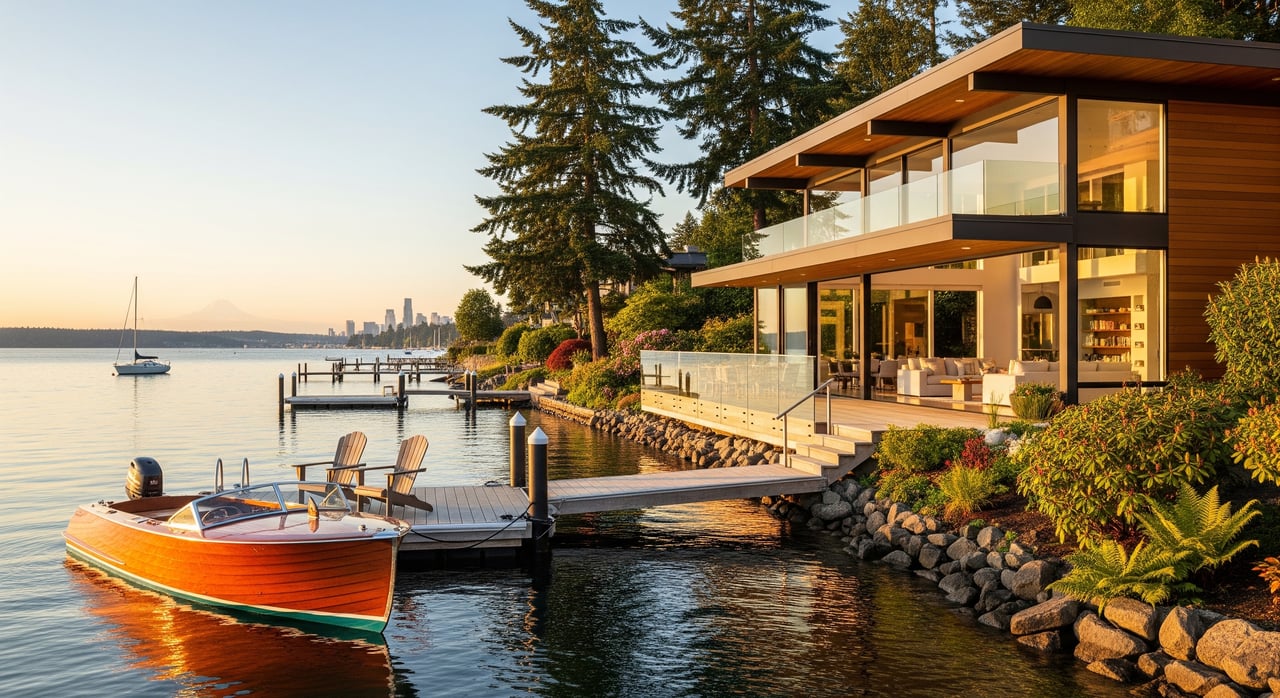
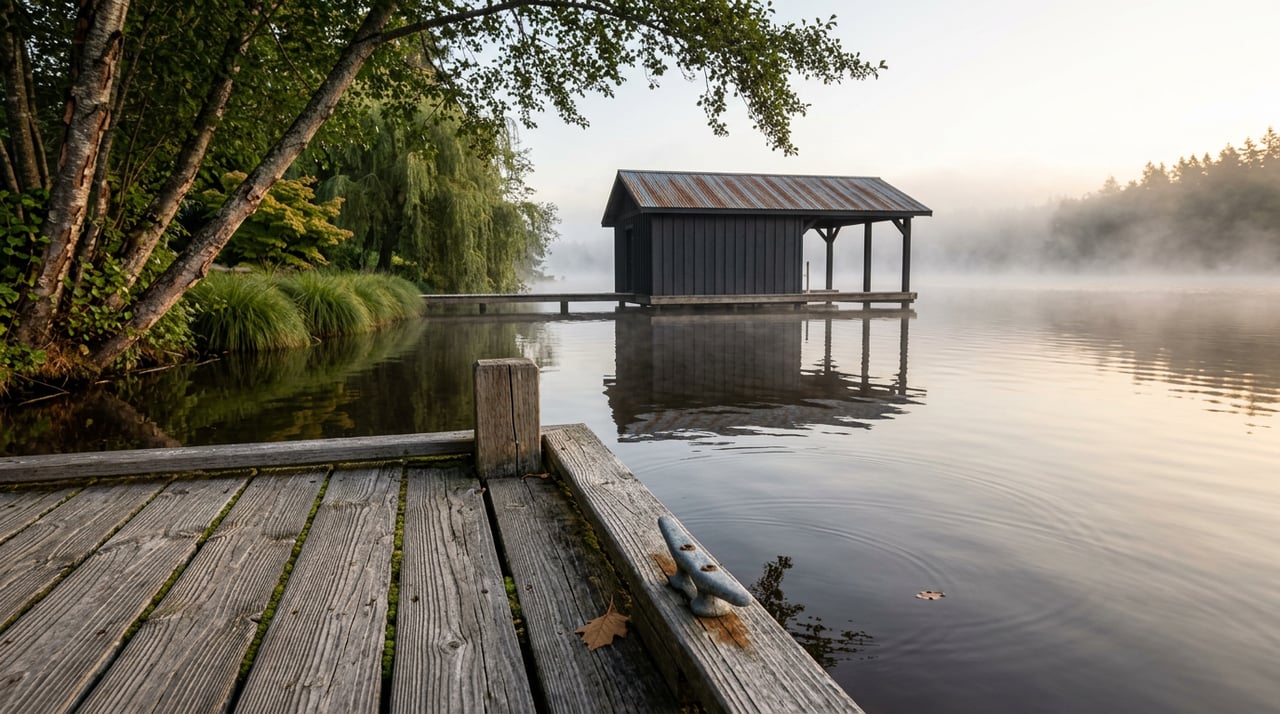
Kirkland’s lifestyle centers on the lake, parks, and a compact downtown. You will find marinas, beaches, wine bars and cafes, public art, and easy access to multiuse trails. Residents include commuters to Eastside and Seattle tech hubs, outdoor‑oriented households, and those drawn to small‑city culture.
Day‑in‑the‑life snapshot
- Morning: Grab coffee near Marina Park and watch paddleboarders head out while the sun hits the lake. If you prefer a workout, the Cross Kirkland Corridor offers a traffic‑free run or ride across town.
- Midday: Work from home, then walk to lunch downtown or at Totem Lake’s mixed‑use centers. Errands are simple with grocery, services, and retail close by.
- Evening: Families head to Juanita Beach Park, where kids play on the sand or splash at the swim area. Later, enjoy a gallery stroll or a casual spot along Market Street.
Neighborhoods and housing
Every area brings a slightly different vibe, housing mix, and value equation. Here is a quick primer to orient your search.
Downtown and Moss Bay
- What it feels like: A walkable waterfront district with parks, boutiques, and restaurants. Many condos and some luxury developments, all close to the lake.
- Who it suits: If you want an urban lifestyle with water views and car‑light living, this is the high‑convenience zone.
- Trade‑offs: Premium pricing and smaller footprints. Expect HOA fees for condos and limited free parking.
Houghton
- What it feels like: Quiet residential streets just north of downtown, with older well‑kept homes and some newer infill.
- Who it suits: You want quick access to downtown amenities in a calm setting.
- Trade‑offs: Limited inventory and strong demand can push prices higher.
Juanita
- What it feels like: Lake‑adjacent living anchored by Juanita Beach Park, with a mix of beach‑era cottages and newer homes.
- Who it suits: Outdoor‑minded buyers who value beach access, parks, and community spaces.
- Trade‑offs: Popular parks bring seasonal activity and traffic near the waterfront.
Totem Lake and Northeast Kirkland
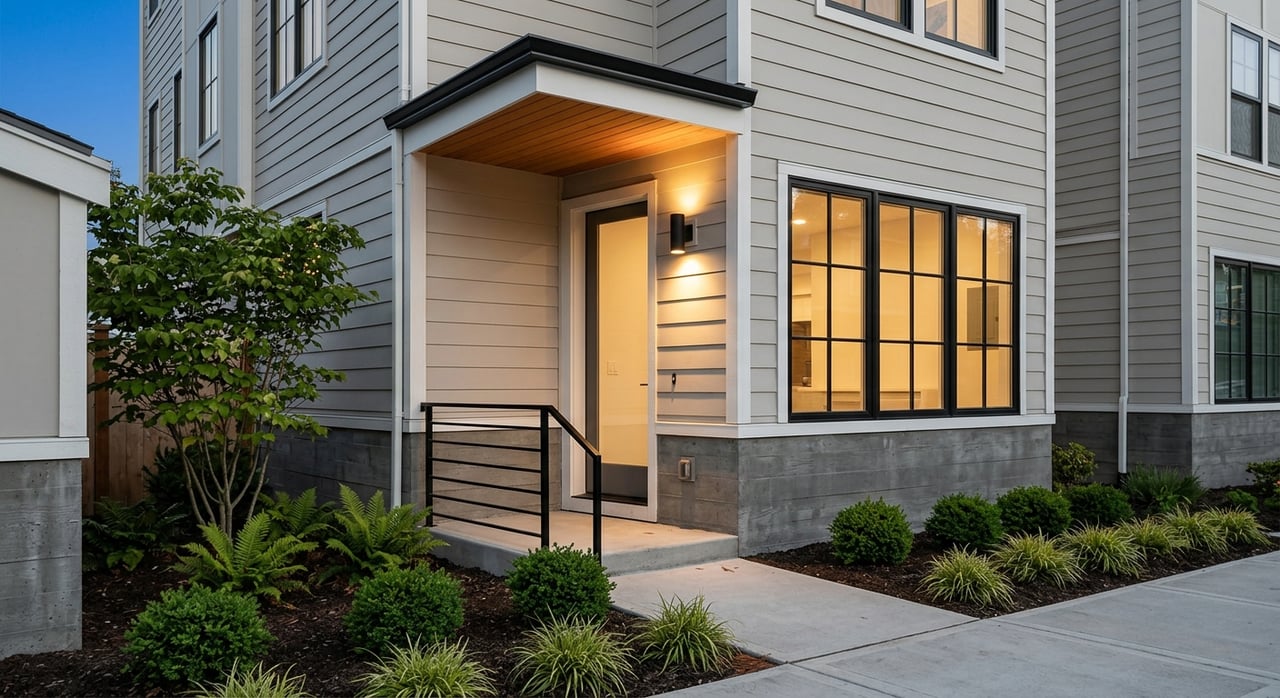
- What it feels like: A regional shopping and services hub that has seen major redevelopment, with newer apartments, townhomes, and mixed‑use projects.
- Who it suits: Renters and buyers who want newer buildings, transit access, and everyday convenience in one spot.
- Trade‑offs: More urban energy, less traditional single‑family fabric. Shorter walk to retail, longer walk to the lake.
Finn Hill and North Kirkland
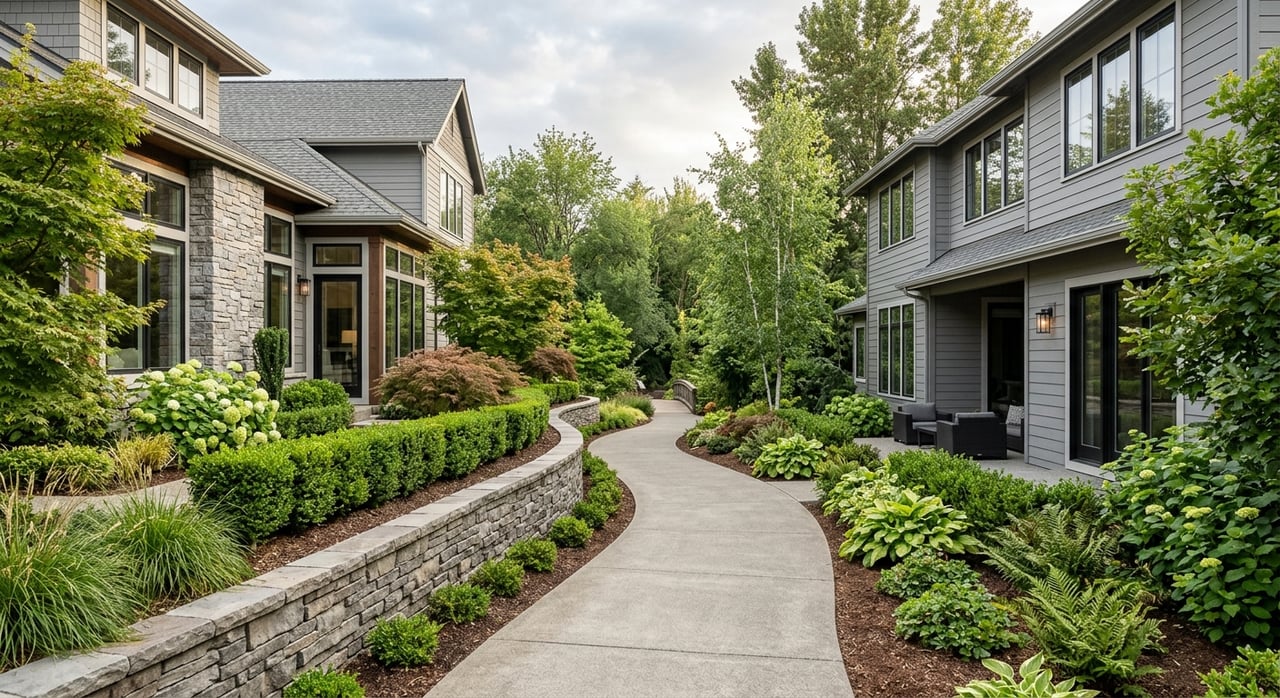
- What it feels like: Leafy, suburban single‑family neighborhoods with varied lot sizes and mid‑century to modern homes.
- Who it suits: You want more space, a quieter street pattern, and a residential feel.
- Trade‑offs: Less walkable for daily errands, more reliance on a car for downtown and waterfront.
Kingsgate and north‑end pockets
- What it feels like: Suburban layouts and older homes at the city’s northern edge.
- Who it suits: Value‑minded buyers seeking more house for the money within city limits.
- Trade‑offs: Longer drive to the lake and downtown, but good access to I‑405 and regional amenities.
Housing types and ownership notes
- Condos and townhomes: Common downtown, in Juanita, and near Totem Lake. Review HOA budgets, reserve studies, rental rules, and special assessment history. Waterfront HOAs can have different insurance exposures than inland buildings.
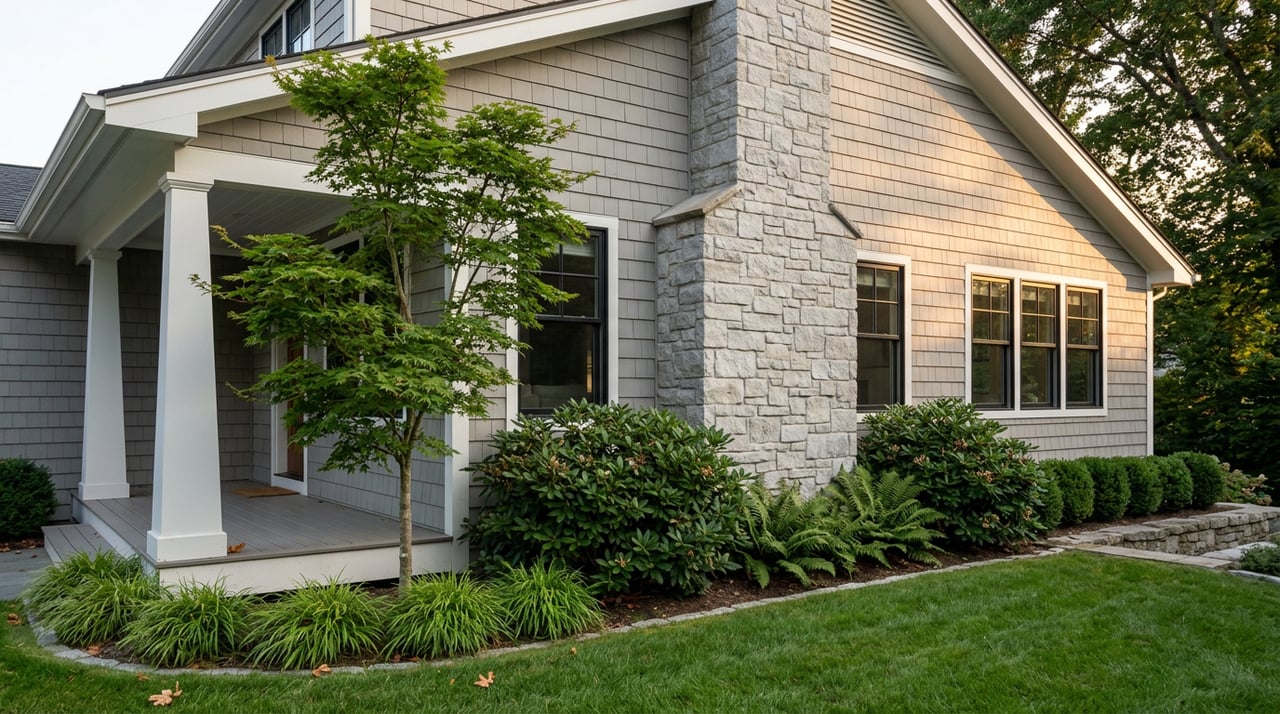
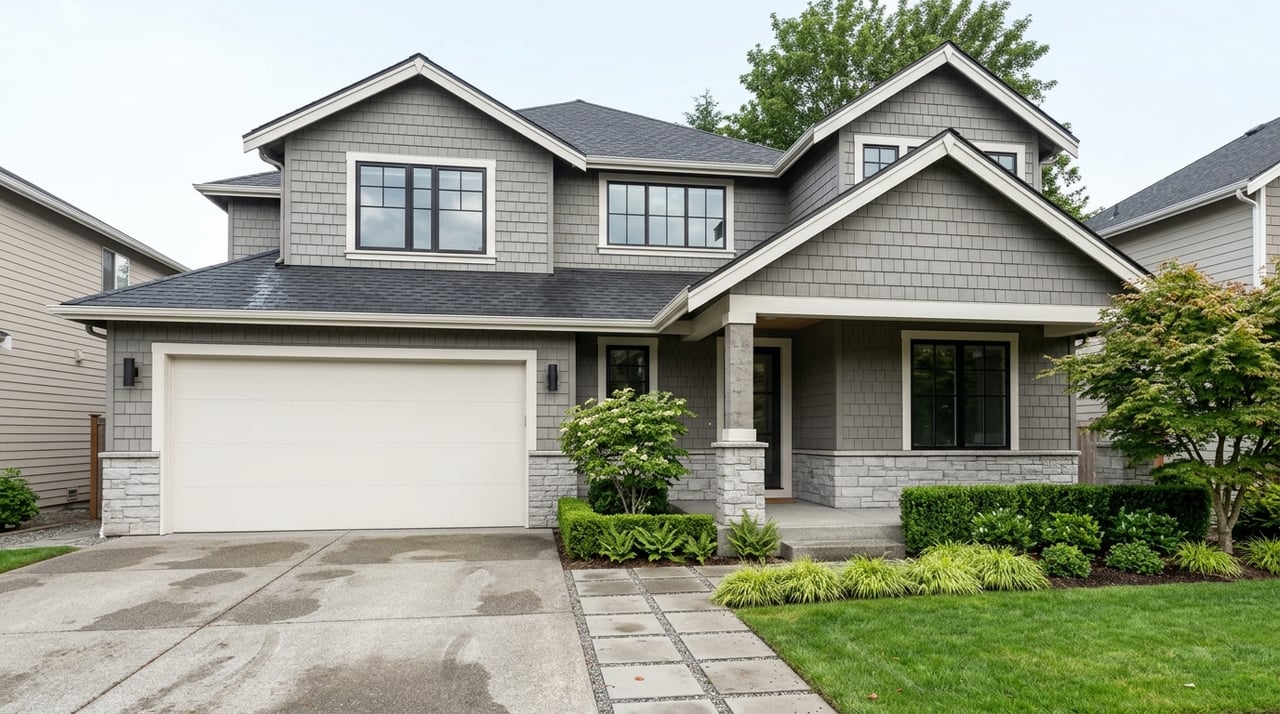
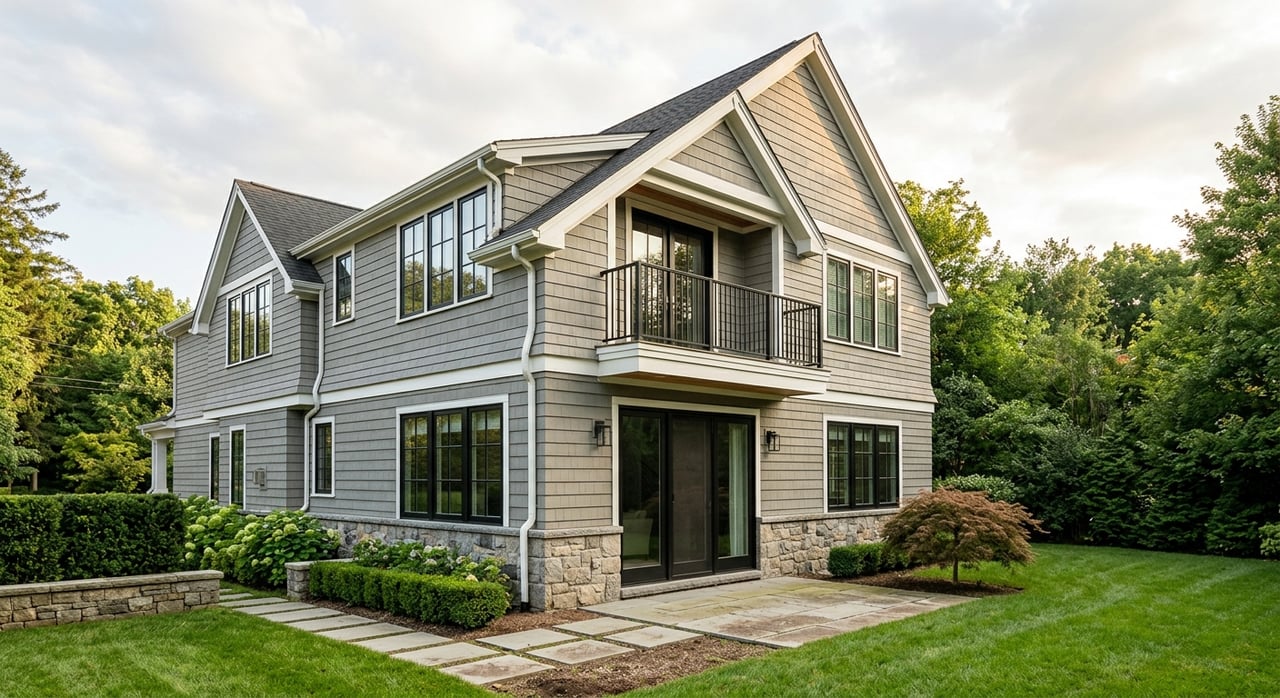
- Single‑family homes: Expect craftsman, mid‑century ranch, and new infill construction. Older homes may need updates like electrical, drainage, or seismic work. New builds often trade lot size for modern layouts and efficiency.
- Shoreline homes: If you are considering lakefront, factor in shoreline regulations, setbacks, and stabilization rules. Insurance and permitting can differ from inland properties.
Commute and getting around
Driving
SR 520 is the primary bridge to Seattle and I‑405 runs north and south along the Eastside. Local arterials include NE 85th Street, Central Way and Market Street, and Totem Lake Boulevard. Traffic patterns shift by time of day and destination, so it helps to test routes with the WSDOT real‑time traffic map.
Public transit
Kirkland is served by King County Metro for local bus routes and by Sound Transit for regional connections. Totem Lake functions as a transit node with several routes. There is no light rail station inside Kirkland as of mid‑2024. For current options and door‑to‑door planning, use the King County Metro trip planner. To track regional expansion and future projects, check Sound Transit’s system expansion updates.
Walking and biking
Downtown and the waterfront are among the most walkable areas for daily errands. The Cross Kirkland Corridor provides a multiuse path across the city for walking, running, and cycling. Many residential neighborhoods are car‑dependent for groceries and services, so weigh walkability against home size and yard space.
Parking and park‑and‑ride
Downtown and waterfront areas offer a mix of metered and limited municipal parking. Newer buildings may include structured parking. Park‑and‑ride access is commonly found around Totem Lake for regional bus connections.
Amenities and everyday needs
Parks and the waterfront
Kirkland’s parks anchor daily life. Marina Park sits on the downtown waterfront with open lawns and lake access. Juanita Beach Park offers swimming and paddle sports. Heritage Park adds open space near downtown, and Totem Lake includes wetlands and trails. For maps, facilities, and updates, visit the City of Kirkland.
Dining, shopping, and services
Market Street and the waterfront district feature independent restaurants, cafes, wine bars, galleries, and boutique retail. Totem Lake’s mixed‑use centers bring larger retail, grocery, medical, and everyday services into one walkable area.
Arts, culture, and events
You will find public art installations, galleries, and community theater throughout the year. Seasonal events and weekly markets add energy in summer and around holidays. For current dates and details, browse the visitor calendar at Visit Kirkland.
Schools and family resources
Most of Kirkland is served by the Lake Washington School District. School boundaries can change, so confirm the assigned schools for a specific address using the Lake Washington School District resources and the King County parcel viewer. You will also find private school options, preschools, libraries, and city community centers.
Healthcare
Primary and specialty clinics operate within Kirkland, with major hospitals and medical centers located across the Bellevue, Redmond, and Seattle corridors. For specific providers and locations, consult local health systems’ sites or the City of Kirkland community resources.
Safety and city services
Kirkland provides police, fire, parks, and community services at the city level. For public safety updates and reports, refer to city and county sources linked from the City of Kirkland site.
Buyer questions and trade‑offs
- Can you afford Kirkland: Kirkland is an Eastside market with a higher cost of living than national averages. Before touring, estimate your full monthly costs, including mortgage, HOA fees if applicable, property taxes, and insurance. Markets shift quickly, so pull fresh figures from primary sources at the time you shop.
- Which neighborhood fits: If you prioritize walkability and water views, focus on downtown and Juanita. If you want more space and a quieter street grid, look at Finn Hill and north‑end areas. For newer buildings and one‑stop convenience, explore Totem Lake and nearby mixed‑use pockets.
- Is it transit friendly: Transit coverage varies by route and time. Downtown and Totem Lake offer the strongest access to frequent service. Use the King County Metro trip planner to test a typical weekday commute and mid‑day errands.
- What about schools: Most addresses fall within Lake Washington School District. Always verify boundaries and any program details through the Lake Washington School District and confirm an address with the King County parcel viewer.
- Waterfront specifics: Shoreline properties can involve added permitting and insurance considerations. Review FEMA flood mapping for your lot using the FEMA Flood Map Service Center and consult city shoreline regulations. Local geotechnical review can help assess stabilization and setback questions.
- HOA and condo considerations: Review HOA budgets, reserve studies, rules on rentals and pets, and any special assessment history. These items can materially affect monthly costs and resale.
- Washington taxes: Washington has no state income tax. Keep in mind that sales tax and property tax rates vary by jurisdiction, so budget accordingly.
Quick neighborhood matches
- Walk‑first lifestyle and lake access: Downtown and Moss Bay, Juanita shoreline condos and townhomes.
- More house and yard for the budget: Finn Hill, Kingsgate, and north‑end single‑family areas.
- Newer buildings and mixed‑use convenience: Totem Lake and Northeast Kirkland.
- Easy access to downtown without living in it: Houghton and adjacent residential pockets near Central Way and Market Street.
Selling in Kirkland
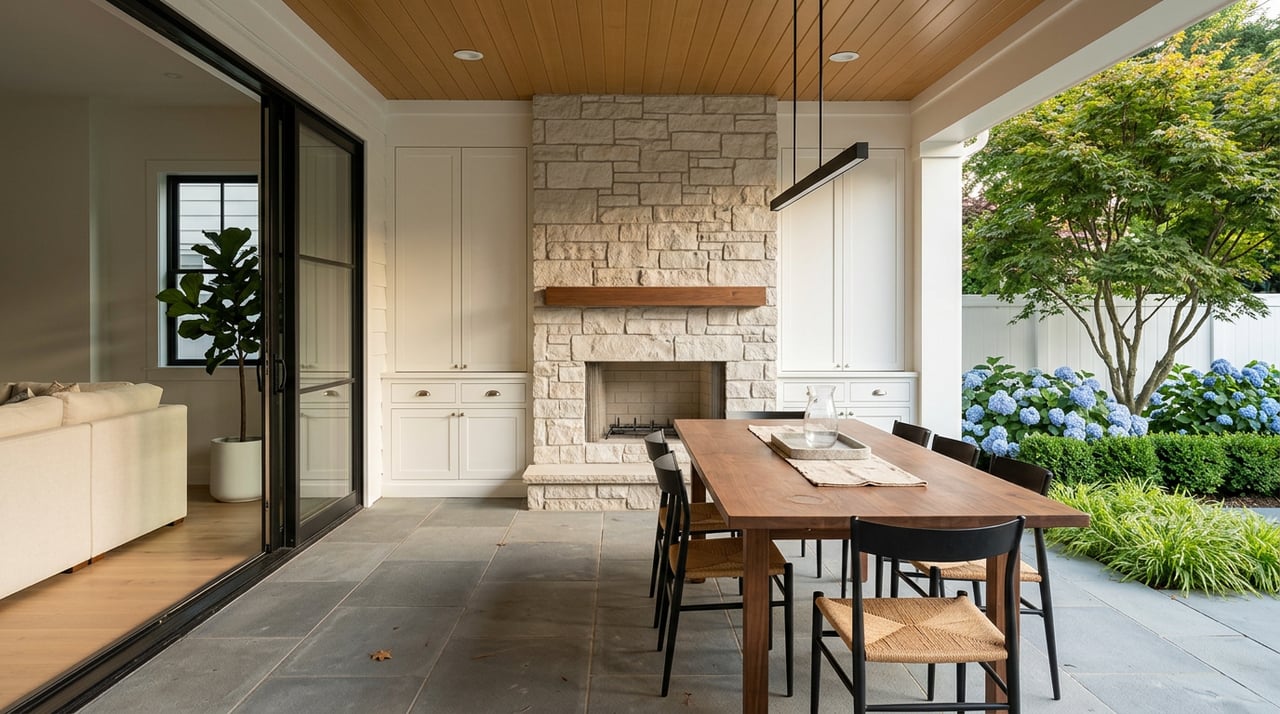
Buyers often prioritize proximity to the waterfront and downtown, verified school boundaries, updated kitchens and baths, and outdoor living areas. Lake views and walkability can influence pricing and time on market. Before listing, focus on curb appeal, light updates where needed, and clear documentation for recent system upgrades and permits. Pricing strategy should reflect micro‑location, condition, and the latest comparable sales.
Next steps
When you are ready for property‑level insights and a guided neighborhood tour, reach out to CJ Singh for data‑backed advice and curated inventory across Kirkland and the Eastside.
FAQs
What is daily life like in Kirkland for new residents?
- Expect a lake‑centered routine with walkable downtown amenities, multiuse trails for easy exercise, and quick access to Eastside job centers.
Which Kirkland neighborhoods are best for walkability and dining?
- Downtown and Moss Bay offer the highest walkability with restaurants, cafes, and boutiques near Marina Park and Market Street.
How can I check school assignments for a Kirkland address?
- Use the Lake Washington School District site for boundary information and confirm the address with the King County parcel viewer before you buy or lease.
Is there light rail service within Kirkland right now?
- There is no light rail station inside Kirkland as of mid‑2024. Monitor Sound Transit system expansion for future regional connections.
What should I know about buying a waterfront condo or home in Kirkland?
- Review shoreline regulations, confirm FEMA flood mapping, and evaluate HOA budgets or site conditions that can affect insurance, permitting, and long‑term maintenance.