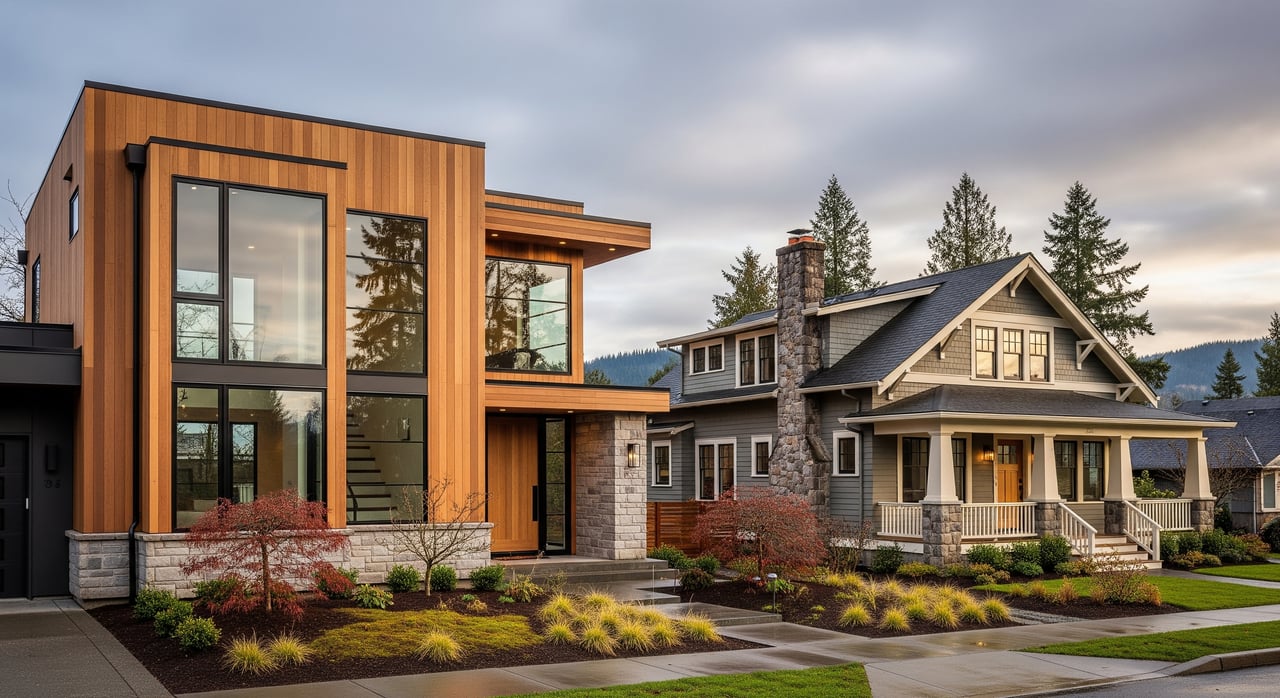
Marysville New Construction vs. Resale: Which Is Right?
January 15, 2026
January 15, 2026
Should you go for a shiny new build or a well-loved resale in Marysville? If you are weighing budget, timing, and long-term upkeep, the choice can feel big. You want a home that fits your life without surprises. In this guide, you will see the key trade-offs on price, timelines, warranties, HOAs, deposits, and negotiation so you can move forward with confidence. Let’s dive in.
New construction often sells at a premium versus comparable resale homes. You are paying for modern systems, current layouts, builder overhead, and included finishes. In tighter markets, that premium can be in the double digits; in slower markets, it can be smaller. In Marysville, the size of the premium varies by neighborhood, lot size, views, and proximity to major job centers like Everett and Seattle. The best way to understand your target area is to compare apples-to-apples comps using local MLS data and recent sales.
Price per square foot tells only part of the story. Your 5 to 10 year total cost of ownership should include property taxes, projected HOA dues, insurance, utilities, and expected maintenance. New homes built to current Washington energy codes often lower energy use compared to older resales. Resale homes may offer a lower purchase price, but plan for near-term repairs or system updates.
Most resale purchases close in about 30 to 45 days after mutual acceptance, depending on financing and contingencies. You can often move in shortly after closing. If speed matters, resale may provide a clearer path.
Production new builds in Marysville commonly take 3 to 9 months if the builder has inventory. Build-to-order homes often take 6 to 12 months. Custom timelines can run 9 to 18 months. Weather, permitting, inspections, and supply chain issues can add time. If you find a completed or near-complete spec home, your timeline could look similar to a resale.
Resale purchases typically use conventional, FHA, VA, or USDA loans. New construction can be financed with a conventional mortgage on a completed spec, a construction-to-permanent loan, or phased draws that your lender inspects. Builders often promote a preferred lender with incentives, but you can usually choose your own. Compare total loan costs, not just the headline rate.
On resales, inspection contingencies are common. For new construction, confirm you can do independent inspections at key stages, such as pre-drywall and final walkthrough. Put inspection windows and remedies in writing. This helps you catch issues before completion and sets clear expectations with the builder.
For resales, earnest money is often 1 to 3 percent of the purchase price, but that varies by negotiation. For new construction, you may see a smaller initial lot-hold deposit with deadlines that impact refundability. Purchase agreements can include staged deposits at milestones. Always get the deposit schedule and refund rules in writing, including the conditions that allow you to cancel.
Tie deposit protections to feasibility periods and financing approval. Be clear on what happens if permits, soil reports, or builder deadlines change your plan. Written timelines and clear cancellation rights help you safeguard your budget.
New homes commonly include a workmanship warranty for about one year, systems coverage for about two years, and a structural warranty that can extend to ten years. Ask for the full warranty packet in writing, including what is covered, exclusions, claim steps, and whether third-party backing is included. If you plan to sell within the warranty period, confirm if it transfers.
Resale homes do not usually come with a builder warranty. A professional home inspection is essential. You can also consider a home warranty product. Inspection results often provide leverage to request repairs or credits before closing.
Many new Marysville subdivisions include HOAs for common areas, landscaping, private roads, or amenities. Dues and special assessments affect monthly costs. Review CC&Rs, bylaws, rules, and the current budget and reserve study. Meeting minutes can reveal planned projects or assessments.
Early in a community’s life, the developer often controls the HOA. After turnover to homeowners, budgets and priorities can shift. Check when turnover is expected and what it means for maintenance schedules, dues, and reserves.
Do your homework
Vet the builder
Get financially ready
Reserve the lot
Nail down the contract
Manage selections and upgrades
Final walkthrough and punch list
Track warranty items
You may see price concessions, lot premium reductions, closing cost credits, lender-paid rate buydowns, or free upgrades. Inventory and spec homes are often the most flexible. End-of-quarter or year can be a good time to ask.
Be ready with local resale comps to justify price or credits. Ask for specific credits, such as a design center allowance or closing costs, because they are easier for builders to approve. Have preapproval in hand and be ready to close on schedule. Flexibility on cosmetic items or timeline can also help your position.
Avoid relying on verbal promises. Get incentives in the contract. Compare the builder’s preferred lender against other lenders on APR, fees, and rate locks. Do not agree to nonrefundable deposits without clear contingencies and deadlines.
If you want a clear, side-by-side view of Marysville new builds and resales, you need current comps, HOA budgets, and real timelines. You also need a negotiator who knows when builders are most flexible and how to protect you with inspection windows and written remedies. With national-brand backing and a hands-on, data-driven approach, CJ Singh helps you compare options, access real-time MLS inventory and private opportunities, and move with confidence.
Stay up to date on the latest real estate trends.
Get assistance in determining current property value, crafting a competitive offer, writing and negotiating a contract, and much more. Contact CJ today to discuss all your real estate needs!