Thinking about adding a duplex or triplex in Everett to your portfolio? You are not alone. Investors are eyeing the north end for steady renter demand, workable price points, and room for long-term upside. In this guide, you will see how Everett stacks up right now, what zoning allows, what rents and expenses to expect, and a quick first-look pro forma you can copy. Let’s dive in.
Why Everett for small multifamily
Everett anchors Snohomish County with a population near 114,000 and roughly 47,000 housing units. Major employers in aerospace, manufacturing, Paine Field, and naval operations create consistent renter demand across unit types. You can review the city’s data snapshots in the official reports from the City of Everett.
- Read the city’s data reports for population and housing context: City of Everett data and reports.
- Regional benchmark: Seattle-area multifamily has been trading at mid single digit cap rates with per-unit prices in the low to mid hundreds of thousands. Vacancy and rent trends softened in 2024–2025, which is a useful context when you underwrite suburban product in Everett. See the Puget Sound multifamily market report.
- Transit tailwind: Light rail now reaches Lynnwood, expanding north-end connectivity. Everett Link to Downtown Everett and Paine Field is planned under Sound Transit 3, but on a long timeline. Learn more in this Lynnwood City Center station preview.
Bottom line: Everett often offers a lower entry price than core Seattle or the Eastside, while still benefiting from strong employment hubs and improving transit over time.
What duplexes and triplexes look like in Everett
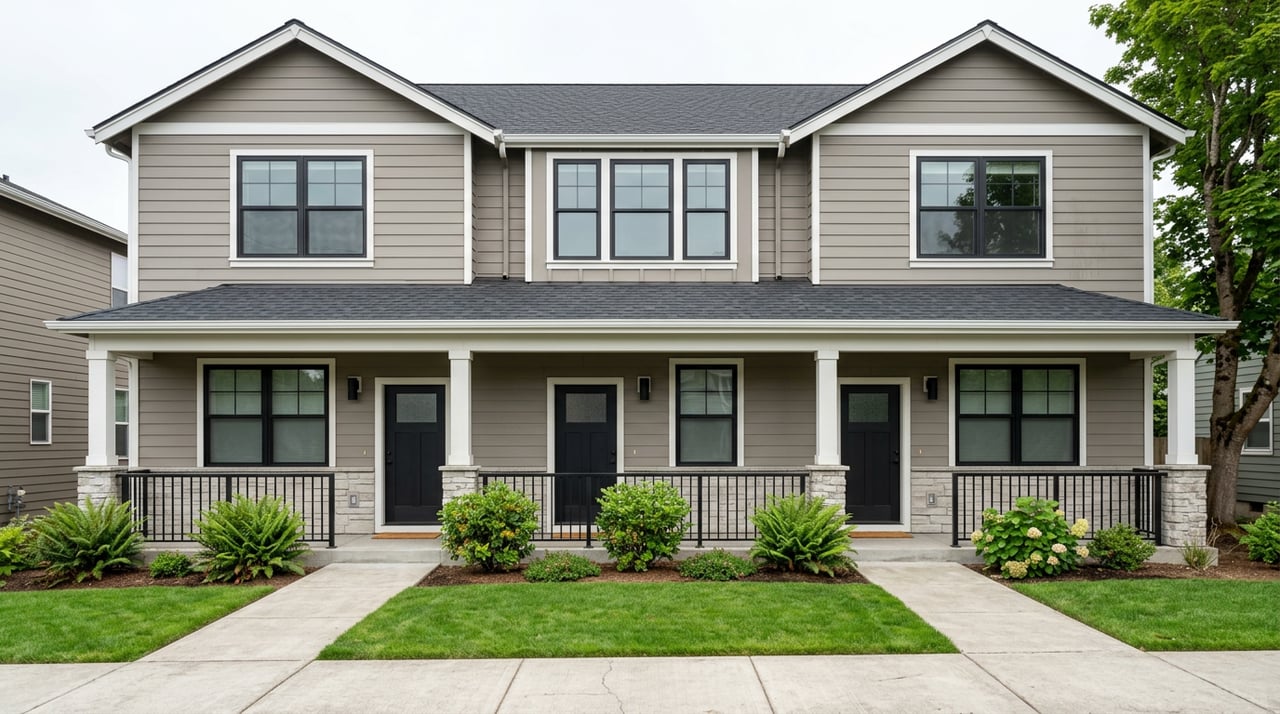
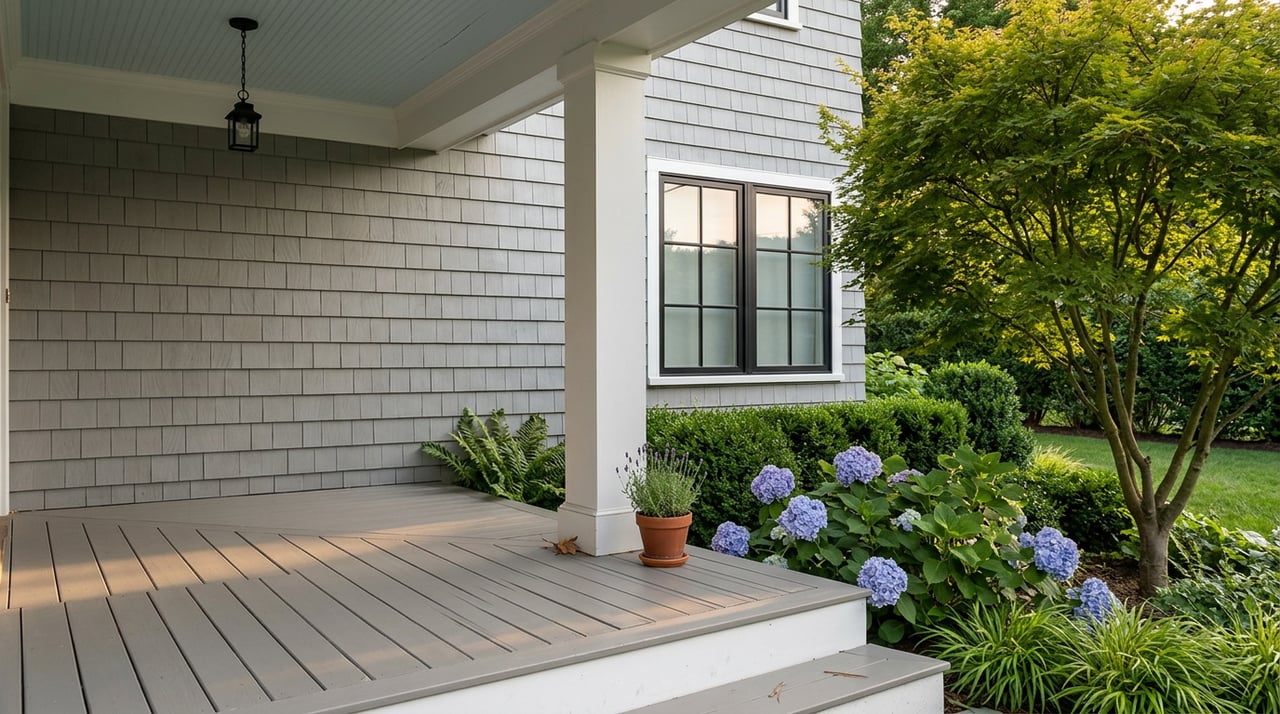
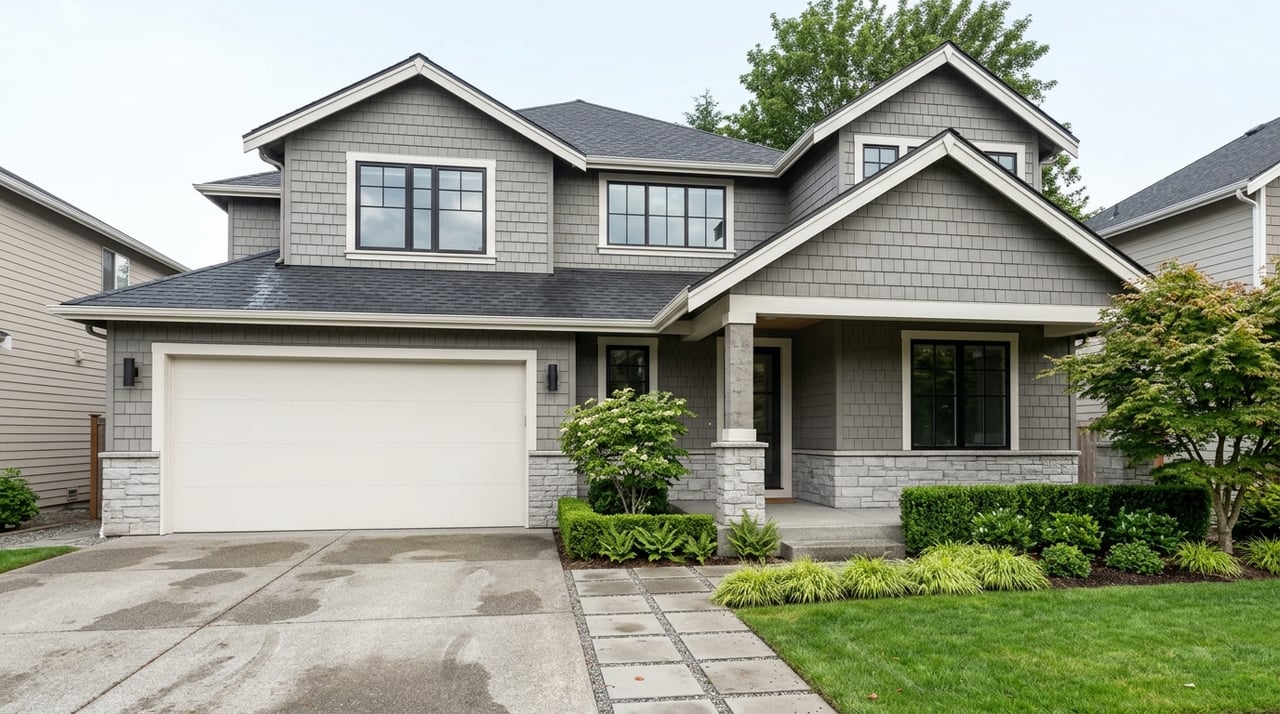
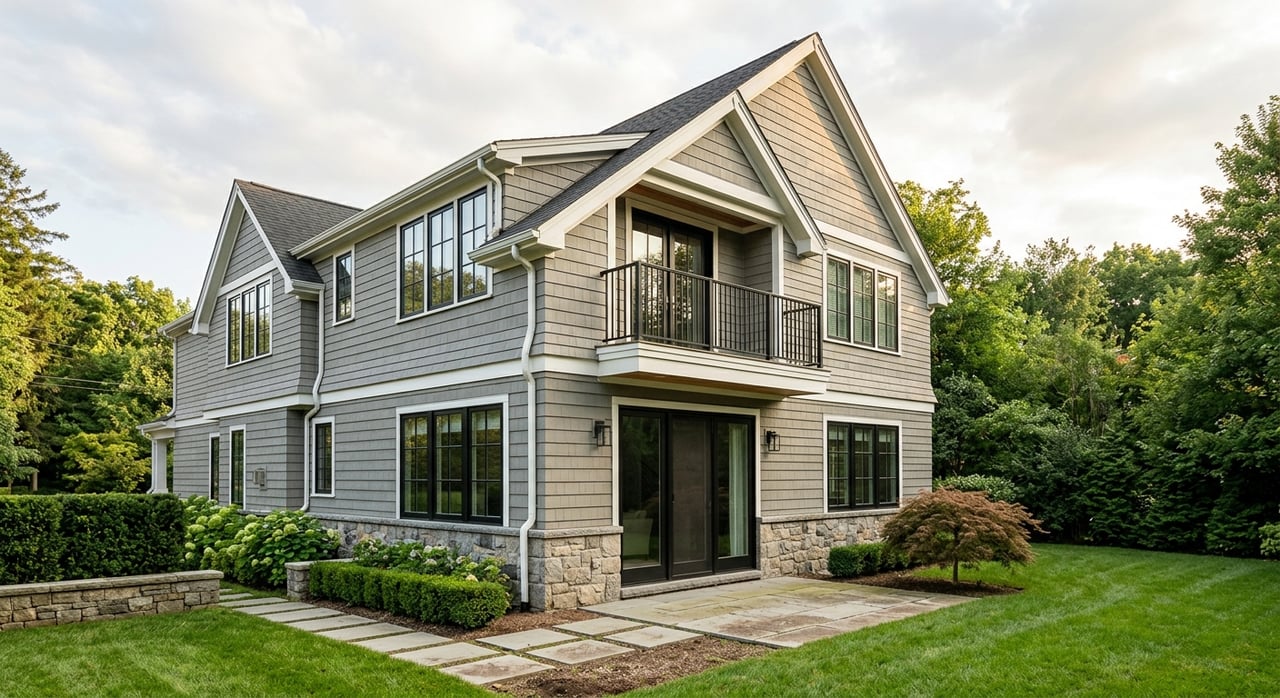
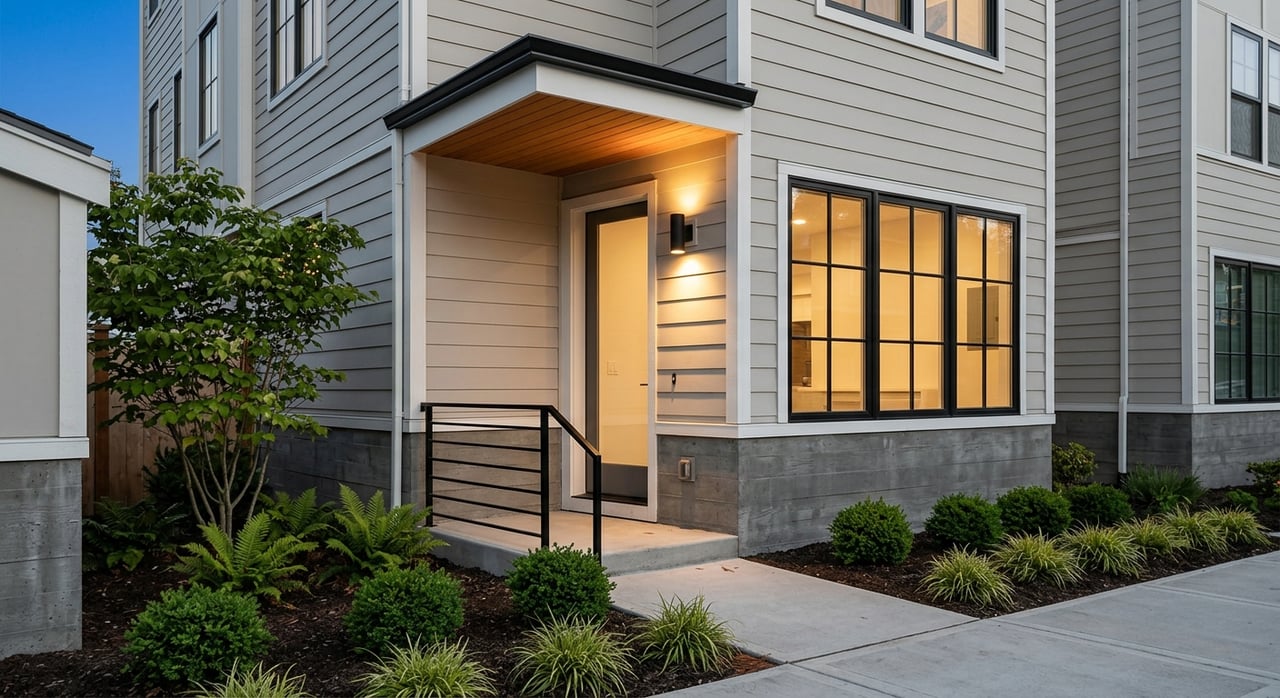
You will find many early-to-mid 20th century buildings in established neighborhoods. Common mixes include 2-bed, 1-to-2-bath units in wood-frame structures, from ranch-style duplexes to small 2–3 story buildings. Lot sizes vary, and proximity to downtown or water can add a premium.
Recent small trades suggest 2–3 unit properties have been changing hands from roughly the mid $400,000s to just under $1 million, depending on location, size, and condition. Use local MLS data to verify values in your target micro-market.
Where duplexes and triplexes are allowed
Everett’s municipal code treats duplexes as a specific two-family use and permits them in many residential zones. Triplexes are regulated as multifamily and are allowed in higher-density residential zones, subject to multifamily standards. Small-scale projects may also trigger design elements like building orientation and entries, as well as potential frontage or sidewalk improvements in priority areas.
Tip: Zoning, parking minimums, and design standards can be the difference between a great buy and a stalled plan. Confirm the site’s exact standards before you model density or a layout.
Permitting, timing, and incentives
Washington law requires local governments to publish timelines for project permit review and determinations of completeness. Typical review windows vary based on the type of project and whether public notice or hearings are needed. In practice, always confirm your expected timeline and fee schedule with Everett’s Permit Center before you set a construction schedule.
Rents, vacancy, and operating costs
- Rents: Recent listing-based snapshots show typical 1- and 2-bedroom asking rents around 1,650 to 1,950 dollars in Everett. See current trend data on RentCafe Everett rent trends. HUD’s FY2026 Fair Market Rents for Snohomish County are higher in many cases (for example, about 2,146 dollars for a 1-bedroom and about 2,501 dollars for a 2-bedroom), which is a useful voucher benchmark and an upper-bound test. Review Snohomish County FMRs.
- Vacancy: Regional vacancy in the Seattle MSA sat in the mid-to-high single digits in 2025. Neighborhood duplex and triplex units often behave closer to local averages than to new Class A supply. See the Puget Sound multifamily benchmark.
- Operating expenses: A common rule of thumb for small buildings is an operating expense ratio in the 30 percent to 45 percent range. Duplexes and triplexes often sit toward the higher end because of per-unit fixed costs and fewer economies of scale. For a deeper dive on expense ratios, see this research reference. Also factor local property taxes, which typically translate to an effective rate near 0.8 to 0.9 percent of assessed value, depending on overlapping taxing districts. Confirm the tax levy for the parcel with the county.
A simple first-look underwriting process
Use a consistent, conservative framework before you spend on inspections or design.
- Confirm use and scale
- Zoning and density allowed on the parcel
- Parking, setbacks, height, and design standards
- Establish income assumptions
- Market rent comps for the unit mix and neighborhood
- HUD FMRs as a conservative ceiling or voucher test
- Vacancy and collection loss at 4 to 7 percent
- Estimate expenses
- Line-item approach for taxes, insurance, utilities, repairs, management
- Use a 35 to 45 percent expense ratio as a quick screen for 2–3 unit assets
- Finance assumptions
- Current mortgage rates and terms from credible sources. Track the weekly average using Freddie Mac PMMS.
- Quick math checks
- GRM as a fast filter (price divided by gross annual rent)
- Cap rate for market comparison (NOI divided by price)
- Cash-on-cash for your equity return view
Triplex example: conservative first pass
Here is an illustrative triplex scenario that mirrors recent Everett pricing and rents. Always replace with the exact listing and verified rent rolls.
Inputs
- Price: 725,000 dollars (triplex sold example used as an anchor)
- Rents: two 2-bed units at 1,925 dollars each, one 1-bed at 1,651 dollars
- Gross scheduled rent: (1,925 x 2 + 1,651) x 12 = 66,012 dollars
- Vacancy and collection loss: 5 percent → Effective gross income ≈ 62,711 dollars
- Operating expenses: 40 percent of EGI → ≈ 25,084 dollars
- NOI: ≈ 37,627 dollars
- Cap rate: 37,627 divided by 725,000 ≈ 5.2 percent
Debt scenarios
- Scenario A: 75 percent LTV, 6 percent interest, 30-year amortization. Loan ≈ 543,750 dollars. Payment ≈ 3,260 dollars per month. Annual debt service ≈ 39,120 dollars. Cash flow after debt ≈ −1,493 dollars. Cash invested ≈ 181,250 dollars → cash-on-cash ≈ −0.8 percent.
- Scenario B: 70 percent LTV with similar terms. Lower debt service can tip cash flow positive at the same rents, but requires more equity and places more weight on appreciation and rent growth.
Takeaway: At today’s mortgage costs and mid 5 percent cap rates regionally, many Everett duplex and triplex deals pencil as low-yield on day one. Plans often rely on value-add, loss-to-lease correction, or patient hold periods.
Sources for inputs
Value-add plays that work in Everett
- Update interiors to market: Kitchen and bath refresh, flooring, lighting, and systems where needed. Target durable finishes that support rent growth and lower turnover.
- Right-size utilities: Where legal and feasible, sub-meter or structure tenant-paid utilities to reduce owner overhead and encourage conservation.
- Explore more units: If zoning, lot size, and parking allow, consider adding a unit or planning a future redevelopment path. MFTE districts and growth centers can influence long-term feasibility.
- Optimize site and parking: Many older neighborhoods have limited off-street parking. Confirm standards and evaluate creative layouts early. Start with Everett development standards.
- Check incentives: MFTE can reduce operating outflows for qualifying projects. Review Everett’s MFTE program.
Your due diligence checklist
- Parcel zoning and allowed use
- Parking, setbacks, height, and design requirements
- Current rent roll, lease terms, deposits, and any concessions
- Three recent comparable sales and three rent comps in the same micro-area
- Insurance quote and recent utility bills
- County assessor’s tax history and estimated levy for next year
- Permit process, timelines, and any sidewalk or frontage triggers
- Unit-by-unit inspection, including roof, systems, drainage, and foundation
Strategy and timing in the current market
Everett’s entry prices often compare favorably to core Seattle and the Eastside, but cap rates and cash flow remain sensitive to financing costs and scope of work. If you need cash flow on day one, search for under-managed assets with a clear path to market rents, or target MFTE-eligible zones for new or substantial rehab. If your horizon is longer, planned light rail to Everett and ongoing job base stability can support a hold-and-improve plan. For near-term transit convenience, note that Lynnwood Link is already boosting north-end connectivity. See the Lynnwood station preview for context.
Ready to compare a live duplex or triplex? You bring the target address. We will pull the zoning, rent comps, expense template, and a finance sensitivity so you can decide fast.
If you want a data-backed short list and private inventory access, reach out to CJ Singh. You will get investor-focused underwriting, off-market options, and a clear plan to move from screening to closing.
FAQs
What are typical Everett duplex and triplex rents in 2026?
- Listing-based snapshots show many 1- and 2-bedroom units around 1,650 to 1,950 dollars, with neighborhood and finish level affecting the final rate; review current data on RentCafe for trends.
How does Everett zoning treat triplexes vs. duplexes?
- Duplexes are a specific two-family use allowed in many residential zones, while triplexes are regulated as multifamily and permitted in higher-density zones subject to multifamily standards; confirm parcel-specific rules in the Everett code.
What vacancy rate should I use when underwriting Everett small multifamily?
- A 4 to 7 percent range is a conservative screen for duplex and triplex assets in established neighborhoods, while regional MSA vacancy has been in the mid-to-high single digits.
What expense ratio fits a 2–3 unit building in Everett?
- Many small properties pencil between 35 percent and 45 percent of effective gross income due to fixed costs and fewer economies of scale; verify with line-item quotes and tax estimates.
Can the MFTE program help my cash flow on a value-add or new build?
- If your property is within an eligible district and the project meets program rules, MFTE can reduce property tax outflows on qualifying units for the exemption period, improving near-term cash flow.
How will upcoming transit affect Everett investment potential?
- Lynnwood Link already improves north-end access, while the Everett Link is a longer-term project; these nodes often influence future land use and redevelopment opportunities over a multi-year horizon.