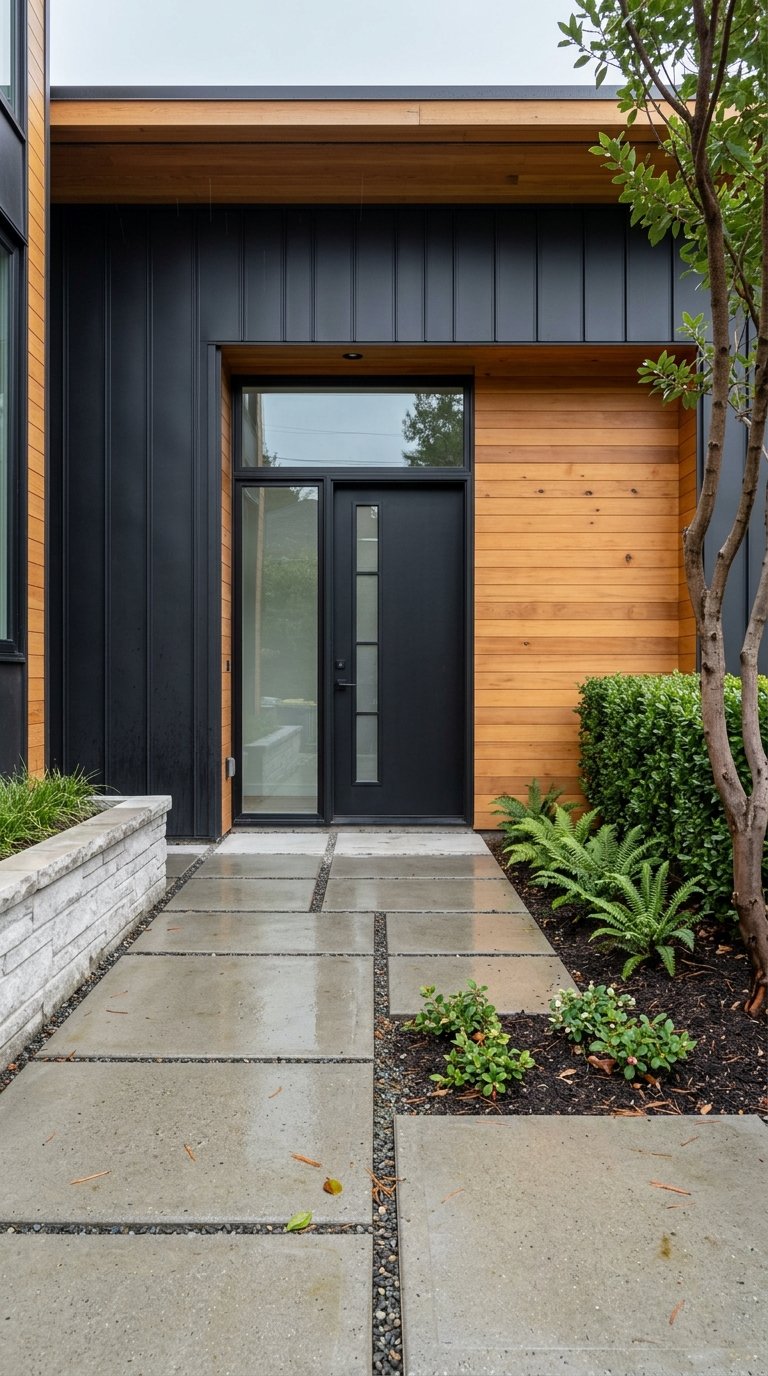
Marysville Planned Communities Homes: A Buyer’s Guide
May 28, 2026
May 28, 2026
If you are eyeing new construction in Marysville, you have probably noticed one thing fast: not all planned communities offer the same value. Some start near the low $500,000s with attached homes, while others move well into the $700,000s and beyond for larger detached houses. That can make the search feel exciting and confusing at the same time. In this guide, you will get a clear look at how Marysville’s new planned communities work, what they tend to offer, and which trade-offs matter most before you buy. Let’s dive in.
Marysville’s 2024-2044 Comprehensive Plan outlines how the city expects to grow over time using a moderate growth scenario to help meet long-range population and employment forecasts in the Urban Growth Area. In simple terms, the city is planning for more housing, more jobs, and the infrastructure needed to support both.
The city describes master plans as land-use plans for one or more sites that identify access, general improvements, and infrastructure needs over time and in phases. That matters to you as a buyer because many planned communities are not built all at once. They often roll out in stages, with streets, amenities, and nearby improvements coming online over time.
Two Marysville growth areas stand out in the city’s planning: Lakewood and Sunnyside/Whiskey Ridge. The city says Whiskey Ridge is intended to be an urban gateway and a prototype for developing neighborhoods, while Lakewood is transitioning from a more rural character toward a more urban one.
The city is also planning infrastructure in Whiskey Ridge, including roundabouts and a sewer lift station. Community Transit Swift service is also being planned for Marysville around 2027-28, which may be relevant if you are thinking about future commute options and long-term area growth.
Across Marysville’s current new-home pipeline, many builders are offering layouts that reflect how people live today. Common features include open-concept main living areas, attached garages, and flexible-use spaces like lofts, studies, bonus rooms, and main-floor bedrooms.
You will also see a wide range of home sizes. Townhome options are often around 1,000 to 2,000 square feet, while single-family homes commonly start around 1,800 square feet and can exceed 3,400 square feet.
That range is one reason planned communities attract different kinds of buyers. You may find an entry point with lower-maintenance attached housing, or you may prefer a larger detached home with more bedrooms and living space.
87th Townhomes offers an attached-home option starting from $549,950. A current homesite listed in the research was priced at $643,887 for 1,834 square feet, 3 bedrooms, 2.5 baths, and a 2-car garage.
The community highlights include a soccer field, parks, and walking paths. KB also notes that advertised prices do not include association fees, which is an important detail when you estimate your monthly housing cost.
Hummingbird Crossing has both villa and townhome product, which gives buyers more than one price and size tier to compare. The Villas begin at $504,990 for a 1,024-square-foot, 2-bedroom, 1.5-bath plan, while another villa plan reaches 1,452 square feet with 3 to 4 bedrooms.
The Towns begin at $599,990 for a 2,013-square-foot, 3-bedroom, 2.5-bath layout. Pulte emphasizes open-concept living, lofts, upstairs laundry, and flex space, and it also notes that community association and golf fees may be required.
Barrel Creek is listed as coming soon and focuses on 2-story single-family homes. The reported range is 3 to 5 bedrooms and 1,835 to 3,431 square feet, with pricing starting at $694,950.
This community is also a good reminder to verify details beyond the city name in the marketing. According to the builder page, Barrel Creek is currently shown as zoned to Lake Stevens School District, even though it is marketed as a Marysville community.
Village at Creekside starts from $724,990 and includes 10 floor plans. Current examples in the research range from 1,942 to 3,056 square feet, with 3 to 5 bedrooms, 2.5 to 3.25 baths, and 2-bay garages.
Century describes it as a single-family community with wetland surroundings and multiple community parks. Reported park features include tetherball, horseshoes, a sports court, a play structure, and picnic benches.
Redstone at Whiskey Ridge sits at the upper end of the current examples in the research report. A current Birch home is listed at $969,995 for 3,119 square feet, 5 bedrooms, and 2.75 baths.
MainVue highlights parks, a mini-soccer field, a fenced dog run, and walking paths. The city’s planning context also makes Whiskey Ridge notable because it is being shaped as a growth area that balances residential and commercial uses.
As of March 2026, Redfin reported Marysville’s median sale price at about $628,000, while Realtor.com showed a median listing price around $650,000. Against that backdrop, some entry-level planned-community options currently begin below the city’s median sale price, while many detached-home communities move into the high $600,000s, $700,000s, and above.
That means Marysville’s planned communities are not one single price category. They span attached entry-level housing, move-up single-family homes, and premium detached product.
A practical way to view the market is this:
If you are comparing options, this broader spread matters more than the headline phrase “new construction.” Two communities in the same city can serve very different budgets and lifestyles.
One of the biggest misunderstandings in planned communities is the role of HOA dues. In Washington, homeowners’ associations can regulate the use, maintenance, repair, replacement, and modification of common areas. State law also encourages reserve accounts and generally requires reserve studies for associations with significant assets, which helps communities plan for major future maintenance and replacement costs.
For you, the practical takeaway is simple: HOA dues may help fund common areas and reserves, but they also create an ongoing monthly cost. Builder disclosures in Marysville also show that base prices usually do not include association fees.
KB Home and Pulte both state that association fees are separate from base pricing. KB also notes that lot premiums and upgrades can raise the monthly payment, so the number you first see online may not reflect the final cost of ownership.
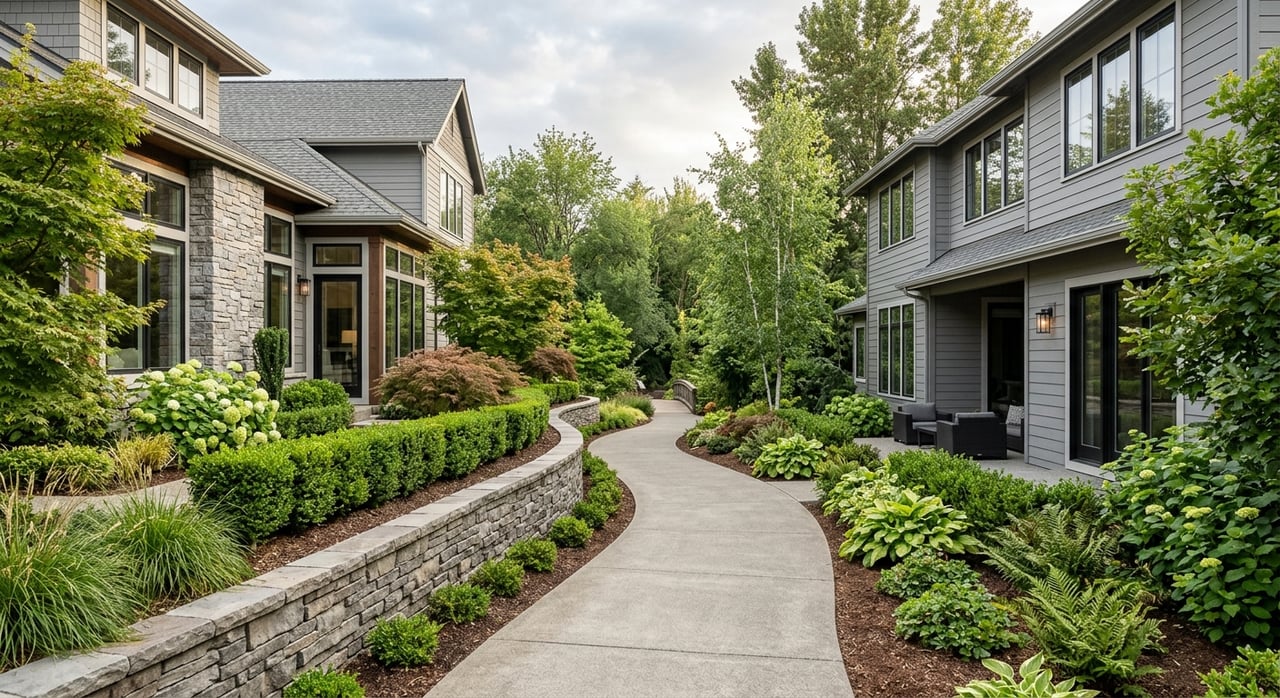
Amenities are often a big reason buyers choose a planned community. Walking paths, parks, sports areas, and shared open space can make a neighborhood feel organized and convenient from day one.
But it is important to verify what is already built versus what is still planned. Builder pages in Marysville note that amenities and community improvements may change based on current development plans.
That does not mean you should avoid communities with future amenities. It simply means you should ask clear questions about timing, current status, and whether the features you care about are complete, under construction, or still conceptual.
Newer planned communities often appeal to buyers who want a more predictable neighborhood layout, shared amenities, and less immediate exterior maintenance. Older neighborhoods may offer more autonomy, but they can also place more day-to-day upkeep on the owner.
Neither approach is automatically better. The better fit depends on how you want to live, how much maintenance you want to handle yourself, and how much flexibility you want over the property environment around you.
Before you choose, compare these factors side by side:
When you tour a Marysville planned community, it helps to go beyond the model home. The smartest questions usually focus on monthly cost, future changes, and day-to-day ownership.
Start with this checklist:
That last point matters because phased development can affect nearby construction, road completion, and the timing of community improvements. A home can be ready well before the full neighborhood is finished.
Marysville stands out because it offers a broad affordability and product range within a city that is actively planning for long-term growth. If you want a newer home in Snohomish County, it gives you several ways to enter the market depending on your budget and lifestyle priorities.
It also gives you a chance to think strategically. If city planning, infrastructure investment, and future transit matter to you, understanding where growth is being directed can help you compare communities with more confidence.
That is especially true in areas like Whiskey Ridge and Lakewood, where the city’s long-range planning framework is helping shape what future neighborhoods may look like. For many buyers, the real opportunity is not just choosing a house, but choosing the kind of neighborhood experience they want over the next several years.
If you want help comparing Marysville’s planned communities, breaking down the real monthly cost, or narrowing your search based on layout, commute, and long-term value, CJ Singh can help you move quickly with clear, data-backed guidance.
Stay up to date on the latest real estate trends.
Get assistance in determining current property value, crafting a competitive offer, writing and negotiating a contract, and much more. Contact CJ today to discuss all your real estate needs!