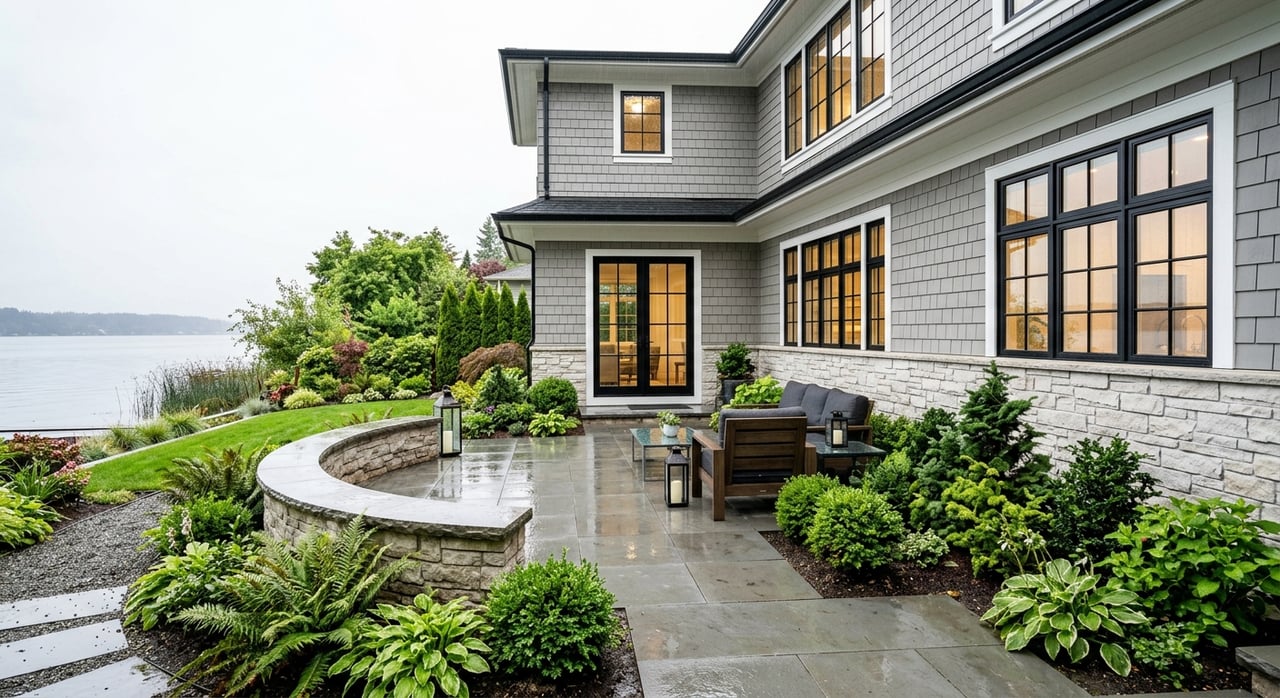
Lakefront or Neighborhood Living in Lake Stevens?
April 23, 2026
April 23, 2026
If you are thinking about buying in Lake Stevens, one question can shape your whole search: do you want the lake in your backyard, or do you want the flexibility of a more typical neighborhood home? Both options can work well, but they come with very different tradeoffs in price, upkeep, access, and day-to-day lifestyle. This guide will help you compare lakefront and neighborhood living in Lake Stevens so you can focus on the choice that fits your goals best. Let’s dive in.
Lake Stevens centers around Lake Stevens, the largest natural lake in Snohomish County, with 1,012.7 acres of water and depths reaching 150 feet. The city highlights the lake as a recreation destination for fishing, swimming, boating, and skiing, with public access available at Willard Wyatt Park, Sunset Park, and city boat-launch access.
That setting gives you two different ways to enjoy the area. You can buy a home with direct shoreline access and make the water part of your daily routine, or you can buy in a neighborhood and use the city’s parks and public access points when you want them.
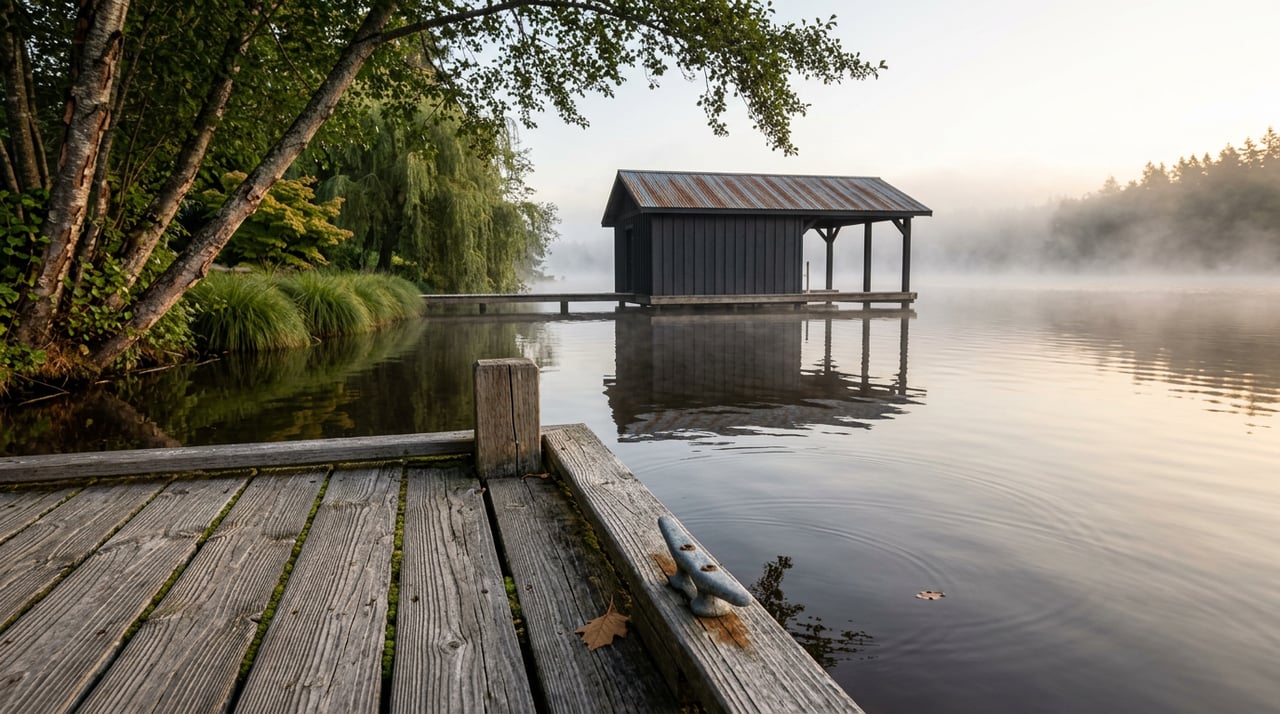
Lakefront living in Lake Stevens is mostly about direct shoreline access and a stronger connection to the water. Current waterfront listings commonly highlight features like lake views, docks, decks, beach frontage, RV or boat parking, and outdoor entertaining space.
What surprises some buyers is that lakefront does not always mean massive estate property. One current example is a 1947 lakefront home at 108 E Lake Stevens Road with 1,173 square feet, 3 bedrooms, 3 baths, and a wraparound deck, listed at $750,000. At the higher end, a remodeled home at 10005 N Davies Road offers 75 feet of waterfront, a dock, sandy beach, detached garage, and RV parking, listed at $2,799,995.
This range matters because it shows that waterfront pricing can overlap with the broader market at the entry level, but premium frontage and amenities can push values far above the city norm. According to Redfin’s Lake Stevens market data, the city’s median sale price was $667,500 in March 2026.
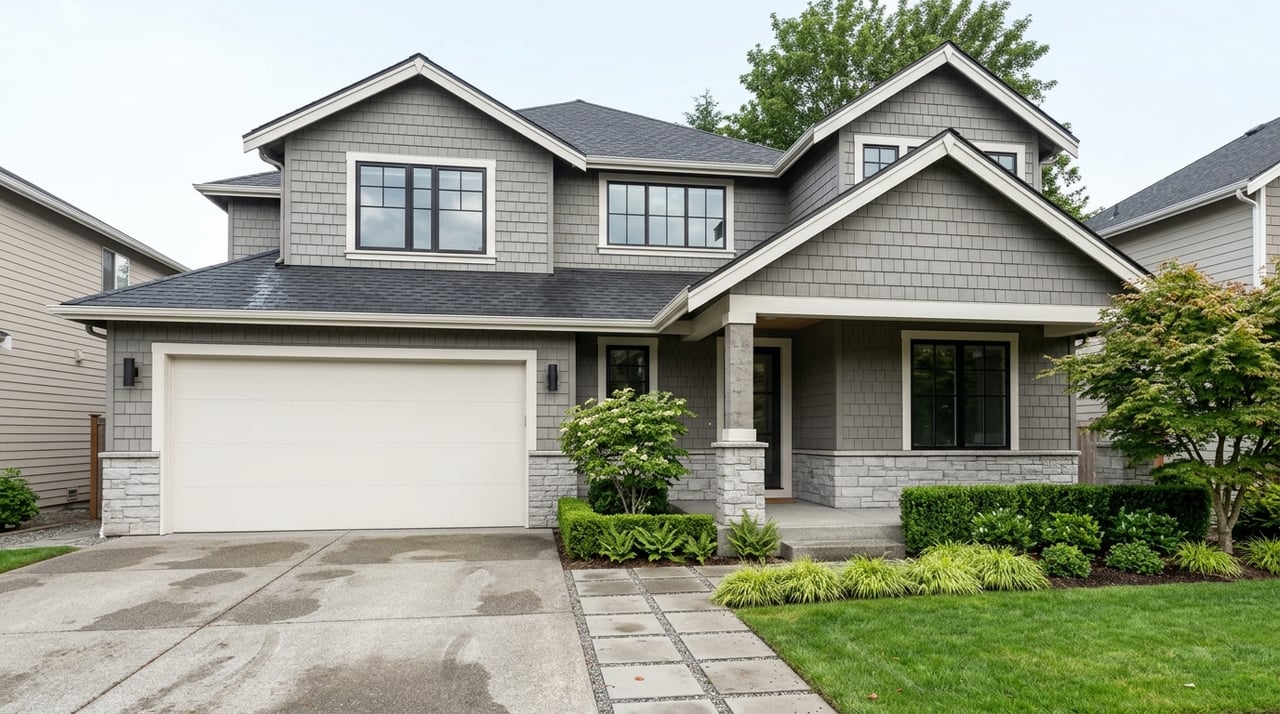
Neighborhood living in Lake Stevens usually looks more like a standard suburban home search. You are more likely to see open-concept layouts, attached garages, fenced yards, privacy buffers, and homes built in more recent decades.
For example, 11414 26th Pl SE is a 1996 home on a 0.46-acre lot with RV parking, vaulted ceilings, a covered deck, and a protected greenbelt setting. Another current example, highlighted in the market report, is a 2007 home with an open-concept kitchen, center island, gas fireplace, fenced backyard, attached garage, and modest HOA dues.
If your priority is predictable layout, easier outdoor maintenance, and a wider pool of listings, neighborhood homes often make the search simpler. You usually give up direct water access, but you still have the benefit of nearby public lake access and recreation.
One of the biggest differences between lakefront and neighborhood living is market depth. The waterfront segment is much thinner than the rest of the city. Realtor.com’s Lake Stevens Water Front page shows just 2 active listings, compared with 223 active listings citywide.
That small inventory means lakefront buyers often need to be patient, decisive, and very clear about must-haves versus nice-to-haves. If you are searching for specific features like a private dock, sandy beach, or RV parking, options can narrow quickly.
By contrast, neighborhood homes tend to cluster in the middle of the market. Realtor.com market data for Lake Stevens areas shows median listing prices such as $582,500 in West Lake Stevens, $649,500 in Old Town, $769,950 in Lake Stevens Farms, and $792,475 in South Lake Stevens.
A broad waterfront search can show a much wider range. Zillow’s Lake Stevens waterfront page currently shows listings from $649,800 to $2,799,995, though that search can include different types of water-adjacent properties and should not be read as a pure lakefront median.
This is where lakefront ownership really separates from neighborhood living. If you buy along the shoreline, you are not just buying a view. You are also buying into a property type with more rules and review requirements.
The city’s Shoreline Master Program governs development along the lake and shorelands within 200 feet of the ordinary high-water mark. The city states that shoreline-jurisdiction projects must comply with SMP rules, and even exempt work still requires city review.
For buyers, that can affect future plans for things like:
The lake also has specific recreation rules. The city notes a 35 MPH speed limit, no wake during hours of darkness and in North Cove after 1 p.m., counter-clockwise travel, and permit requirements for buoys or markers.
That does not make waterfront ownership a bad choice. It simply means you should go in with clear expectations. The lake is both an amenity and an ongoing responsibility.
Homes outside shoreline jurisdiction usually avoid the shoreline-specific permit and vegetation rules tied to waterfront property. In practical terms, that can mean fewer layers to think through if you want a more straightforward ownership experience.
That simplicity appeals to many buyers, especially if your main goals are space, function, and long-term flexibility. You may still be close to the lake lifestyle without needing to manage shoreline details directly.
Whether you prefer waterfront or a neighborhood setting, the most useful questions are practical. In Lake Stevens, small property details can have a big impact on how a home lives and how it may perform over time.
Here are a few to verify during your search:
That last point matters because assumptions can be misleading. The lakefront home at 10005 N Davies Road is on public water and sewer, and the neighborhood example in the research report is also on public water and sewer. Waterfront does not automatically mean a more rural utility setup.
It is also important to confirm exactly what “waterfront” means in online search results. As noted in the research report, some Lake Stevens waterfront search results may include creekfront or riverfront properties, not just direct shoreline on Lake Stevens.
If you picture early mornings on the deck, keeping watercraft nearby, and making the lake part of your weekly routine, lakefront living may be worth the added complexity and tighter inventory. For the right buyer, direct access can be the whole point.
If you want a larger selection of homes, more standardized layouts, and fewer shoreline-specific questions, neighborhood living may be the more efficient path. You can still enjoy the lake through parks, launches, and public access without taking on the same property-level responsibilities.
There is no one-size-fits-all answer in Lake Stevens. The better choice depends on how you want to live, how much flexibility you want in the buying process, and which tradeoffs feel worth it to you.
If you want help comparing Lake Stevens homes with a clear, data-driven approach, CJ Singh can help you evaluate on-market opportunities, narrow down the right fit, and move quickly when the right property shows up.
Stay up to date on the latest real estate trends.
Get assistance in determining current property value, crafting a competitive offer, writing and negotiating a contract, and much more. Contact CJ today to discuss all your real estate needs!