What Everyday Life In Snohomish Really Looks Like
June 4, 2026
June 4, 2026
If you picture Snohomish as either a sleepy historic town or a typical suburb, the real answer is more interesting. Everyday life here blends a preserved downtown, easy access to trails and parks, and housing choices that range from older homes with character to newer development at the edges of town. If you are trying to understand what it actually feels like to live in Snohomish, this guide will walk you through the rhythms of daily life, from getting around to spending weekends and thinking about housing. Let’s dive in.
Snohomish is a river-oriented city with an estimated 2024 population of 10,534. The city sits at the confluence of the Snohomish and Pilchuck Rivers, and that setting shapes both the scenery and the pace of life.
Unlike places built around a dense suburban grid, Snohomish has a more defined town center. Its downtown is not just a backdrop. It still works as the city’s social and commercial heart, which gives daily life a more grounded, place-based feel.
Snohomish was founded in 1859 and incorporated in 1890. Its historic business and residential center is listed on the National Register of Historic Places, and the city has been intentional about preserving older structures while keeping new development visually compatible with the district.
That matters in everyday life because downtown still feels active and usable, not frozen in time. The city highlights antiques, boutiques, coffee shops, bars, restaurants, professional services, and regular community events, so the historic core remains part of normal routines rather than just an occasional destination.
One of the biggest differences you may notice in Snohomish is how downtown is laid out. The city describes mature street trees, alleys, sidewalks, one- to three-story buildings, and storefronts that open directly to the street.
That creates a more pedestrian feel than you might expect in a smaller city. Whether you are grabbing coffee, meeting friends, or walking between shops and services, the layout supports short trips on foot in the downtown core.
Snohomish also has an active event calendar that helps shape community life. City materials point to events such as Kla Ha Ya Days, the Farmers Market, Block Party, and Art Walk.
For residents, that means parts of the year come with familiar patterns and repeat gathering points. Instead of needing to leave town to find activity, many community experiences happen right in the center of Snohomish.
In Snohomish, outdoor access is not just a bonus feature. It is woven into the town’s layout. The Centennial Trail starts in Snohomish and runs 30 miles to the Skagit County line, with paved sections for walking, bicycling, and hiking, plus equestrian use on unpaved portions in unincorporated Snohomish County.
The city says more than 500,000 people use the Centennial Trail each year. It functions as both a recreation corridor and a non-motorized commuter route, which tells you a lot about how residents use it in everyday life.
Not every outdoor option requires a big time commitment. The Riverfront Trail is a compact 0.3-mile paved path along the north bank of the Snohomish River, linking Avenue D to Cady Park and forming a loop with First Street and Maple Avenue.
The city notes benches, interpretive signage, and scenic views along the route. While it does not provide direct river access because of steep slopes, it still offers an easy option for a quick walk close to downtown.
Beyond the better-known trails, the city also points to the Interurban Trail, Powerline Trail, and Riverview Wildlife Refuge as nearby outdoor options. Within city limits, Snohomish says there are about 170 acres of parks and open space.
That gives daily life a more outdoors-connected feel. You do not have to plan a full day around nature to enjoy it here. In many cases, it is simply part of the backdrop to a normal week.
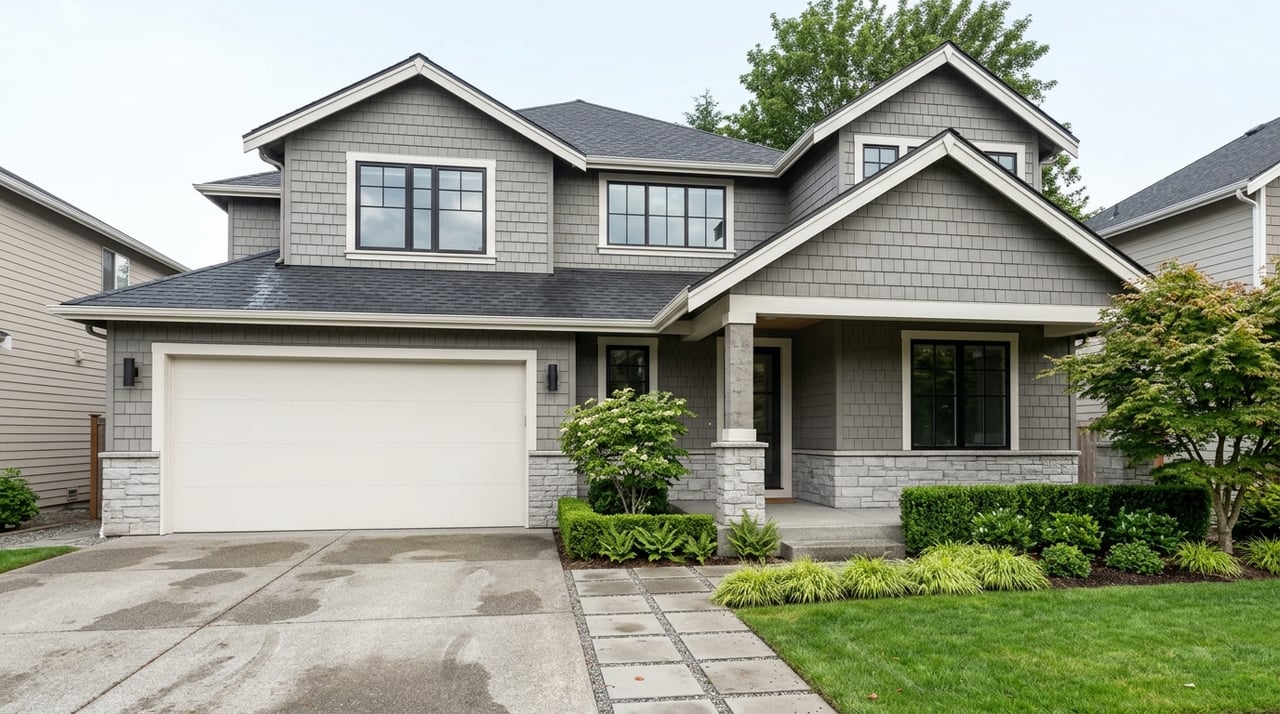
If you are house hunting in Snohomish, the current housing profile still leans heavily toward detached homes. According to the city’s middle housing materials, nearly 60% of the housing stock is single-detached, almost 35% is multi-family, and the rest is attached housing or mobile homes.
That means many buyers will still see a lot of traditional single-family inventory, especially compared with denser urban markets. At the same time, the housing mix is not standing still.
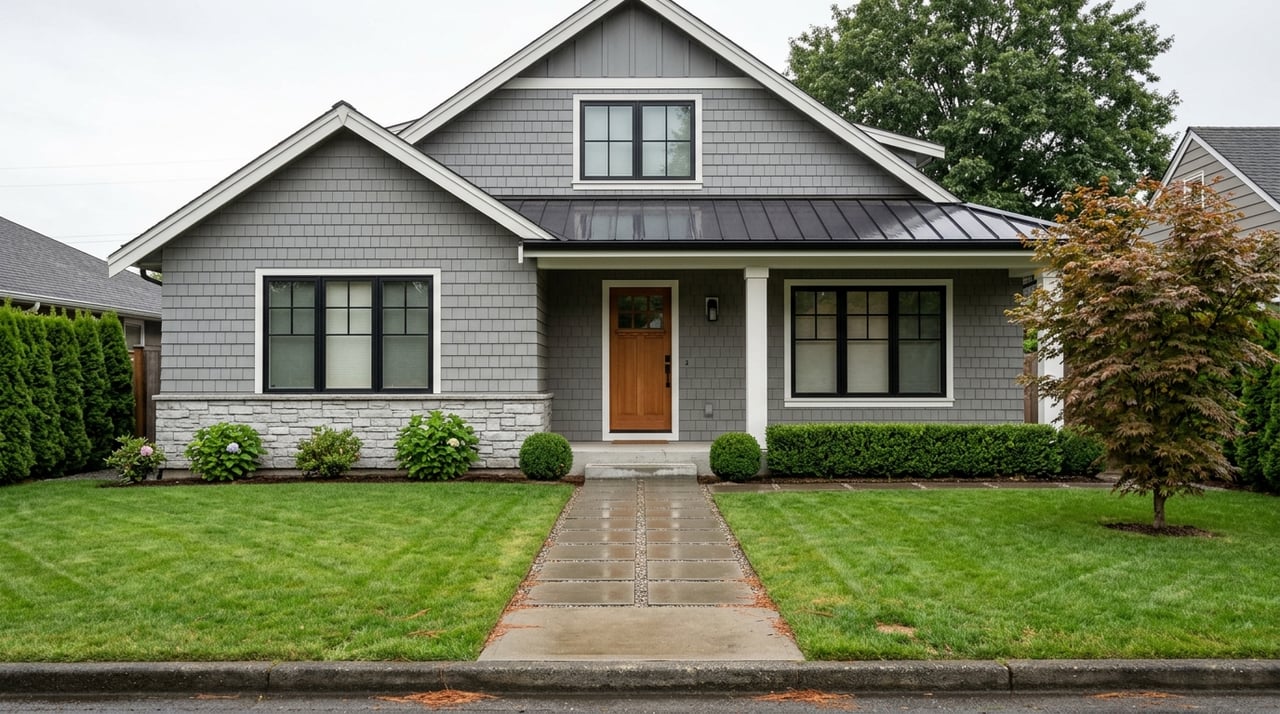
In the historic district, homes date from the 1860s to the present, with a strong emphasis on pre-1920 construction. The city describes styles such as Craftsman Bungalow, Queen Anne Victorian, Shingle, Colonial Revival, Gothic Revival, and Cottage.
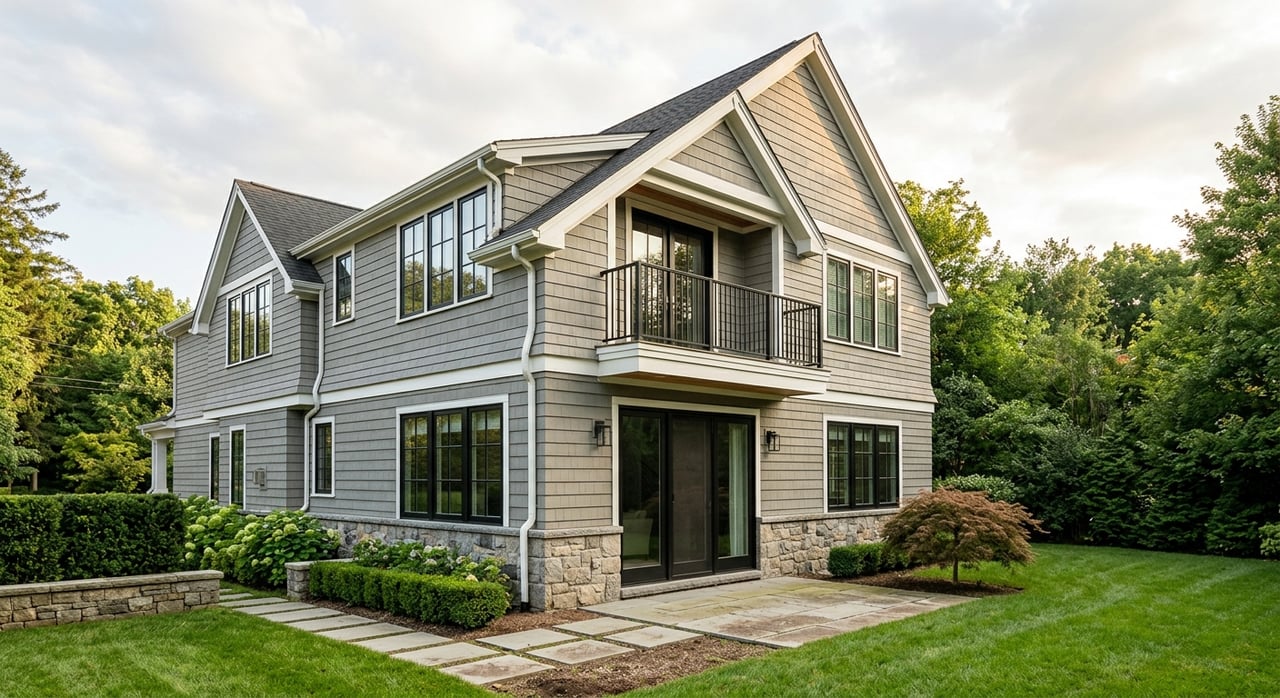
These homes are part of what gives Snohomish its visual identity. The city also notes porches, generous setbacks, substantial spacing between houses, and garages or outbuildings behind the main structure, which creates a different feel from more uniform suburban subdivisions.
Snohomish is also looking at a broader range of housing types. The city says it is studying middle-housing options such as duplexes, triplexes, fourplexes, townhouses, cottage housing, and accessory dwelling units.
Its housing materials also note that city code allows accessory dwelling units and manufactured housing. The city is working to reduce regulatory barriers to new housing, including affordable and special-needs housing.
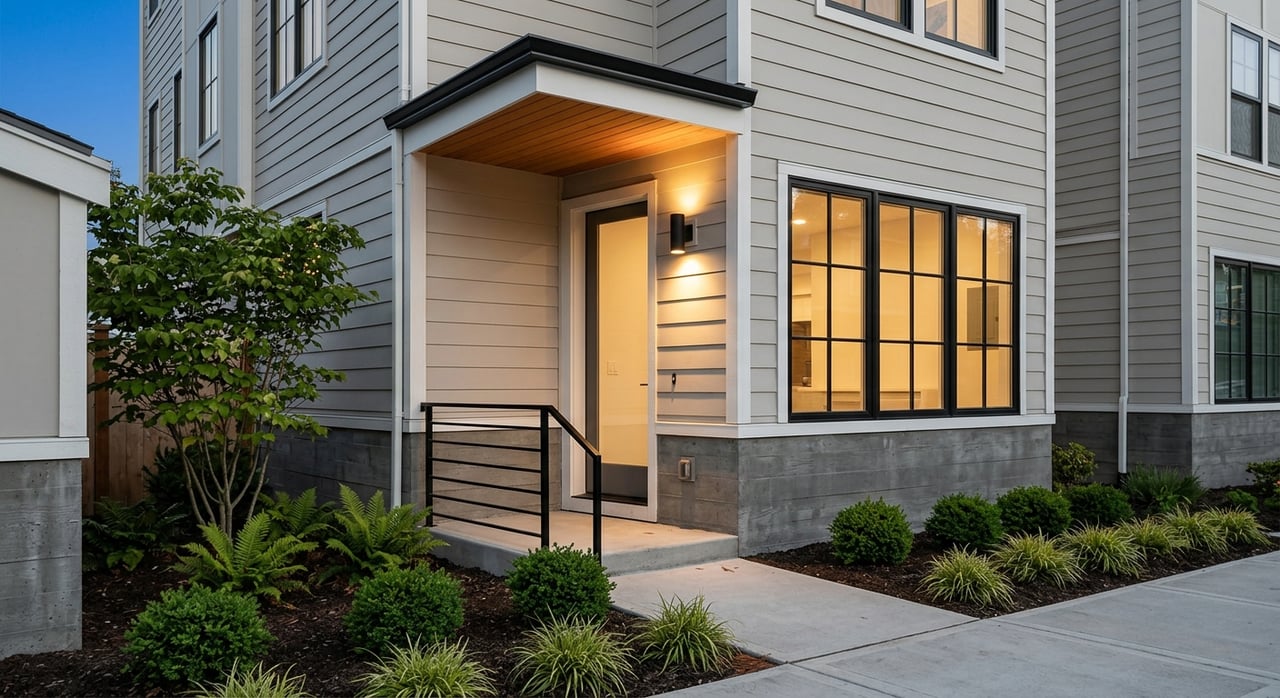
While old-town character remains strong, newer development is also part of the picture. Official city project pages include Walsh Hills, a 113-lot residential development, and a Weaver Road senior-housing proposal for 100 units in a five-story building.
For buyers, that means Snohomish is not purely historic and not purely suburban either. It is a market where established character and new growth are both visible, sometimes within a short drive of each other.
Snohomish may feel smaller and more rooted, but many residents still live regionally. The city sits at the nexus of Highway 9 and Highway 2, two routes that play a major role in how people move through Snohomish County.
According to WSDOT information cited by the city, the US 2 trestle is the only direct route across the Snohomish River to the I-5 corridor in Everett. The city also notes that SR 9 is a key north-south alternative to I-5 for both commuters and freight.
For people who want an alternative to driving the full trip, Community Transit’s Park & Ride system provides public transit hubs across its service area. Community Transit also announced service changes starting in June 2026, including the elimination of Route 424 between Snohomish and Downtown Seattle and the addition of Route 908, a weekday express route from Snohomish to Downtown Bellevue with connections to Link 2 Line service for Seattle trips.
That kind of regional connection matters if you work outside Snohomish but want a smaller-city home base. It also shows why commute planning is an important part of any move here.
Census data show a mean travel time to work of 31.7 minutes for Snohomish city workers. The same data show an owner-occupied housing rate of 58.3%, a median value of owner-occupied homes of $599,600, and median gross rent of $1,459.
Taken together, those numbers point to a place where many people may balance commute distance with home space, town character, and access to outdoor amenities. If you are comparing Snohomish with denser parts of the Seattle area, that tradeoff is often central to the decision.
Snohomish offers a version of everyday life that feels more rooted than many suburban markets nearby. You have a true downtown, regular community events, trails that are easy to use, and housing that still includes a large share of detached homes.
At the same time, the city is changing. New housing proposals, middle-housing discussions, and regional commute patterns all point to a place that is growing while trying to keep its identity intact.
If you are considering a move, the key is to look beyond simple labels. Snohomish is not only historic, and it is not just another suburb. It is a small city with a strong center, visible history, active outdoor access, and a housing market that is gradually broadening.
If you want help comparing Snohomish with other northern Puget Sound options, evaluating housing opportunities, or accessing current listings with a data-driven strategy, connect with CJ Singh.
Stay up to date on the latest real estate trends.
Get assistance in determining current property value, crafting a competitive offer, writing and negotiating a contract, and much more. Contact CJ today to discuss all your real estate needs!